Lightning Protection System (LPS) Inspections
Engineering-grade inspection of wind turbine lightning protection systems
DAW Windturbine Inspections provides dedicated inspections of wind turbine Lightning Protection Systems (LPS) to verify system integrity, detect lightning-related damage, and reduce the risk of catastrophic blade and structural failure. Using controlled UAV operations, high-resolution imaging, and thermal inspection techniques, we deliver repeatable and traceable LPS inspection data for both onshore and offshore wind turbines.
Why LPS Inspections Matter
Lightning strikes are a leading cause of severe blade damage, unplanned downtime, and costly repairs. Damage to receptors, conductors, or bonding paths is often not fully visible during standard blade inspections and may remain undetected until secondary structural damage occurs.
Regular LPS inspections support:
• Early detection of lightning strike damage
• Verification of lightning current paths
• Prevention of internal blade damage and delamination
• Reduction of fire and system failure risk
• Compliance with OEM and insurer requirements
Scope of LPS Inspections
Our LPS inspections focus on all accessible lightning protection components, with special attention to high-risk zones.
Blade-Based LPS Components
• Inspection of lightning receptors (condition, erosion, burn marks)
• Detection of missing, damaged, or contaminated receptors
• Visual assessment of strike attachment points
• Identification of secondary surface damage caused by lightning events Conductor Path & Bonding Assessment
• Verification of visible conductor routing and attachment points
• Inspection of blade root connections and bonding continuity indicators
• Detection of displaced or compromised conductor elements Thermal Assessment
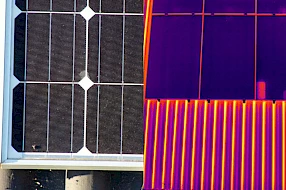
• Radiometric thermal imaging to identify: o Hidden damage in receptor connections o Localized heating caused by poor electrical continuity o Subsurface damage following lightning events
Advanced UAV & Imaging Techniques
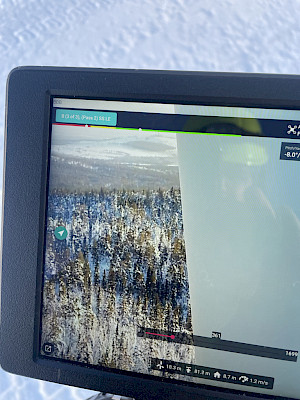
LPS inspections are executed by certified UAV operators using predefined flight profiles to ensure full receptor coverage and consistent image quality.
Inspection capabilities include:
• High-resolution optical zoom imaging of receptors and strike points
• Close-range inspections with controlled standoff distances
• Thermal imaging for non-visible damage detection
• Stable offshore-capable UAV operations
All inspections are performed in compliance with EASA regulations and site-specific safety procedures.
Data Analysis & Damage Classification
Inspection data is processed through structured, engineering-driven workflows supported by AI-assisted analysis.
This enables:
• Consistent identification of lightning-related damage
• Classification of receptor and surface damage severity
• Differentiation between erosion, mechanical damage, and lightning impact
• Tracking of recurrent strike locations and degradation trends
Findings are prioritized to support maintenance planning and risk mitigation.