
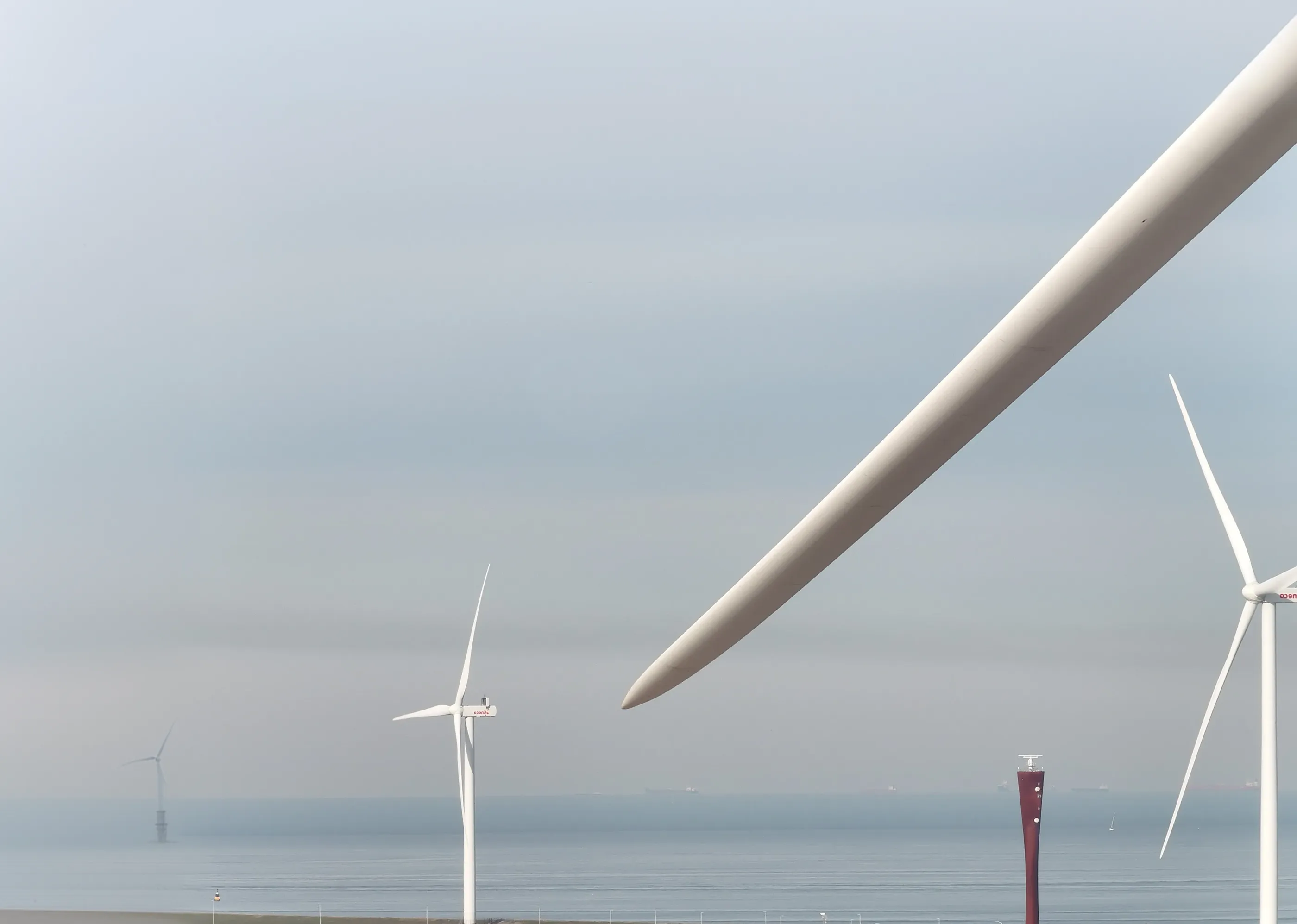
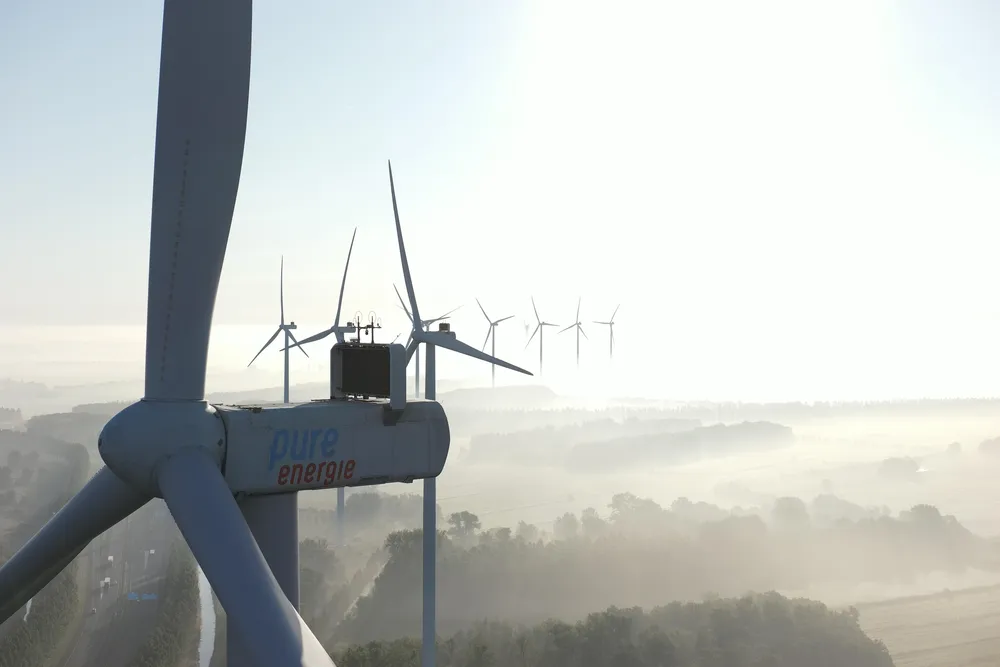
Wind turbine blade inspections by drone.
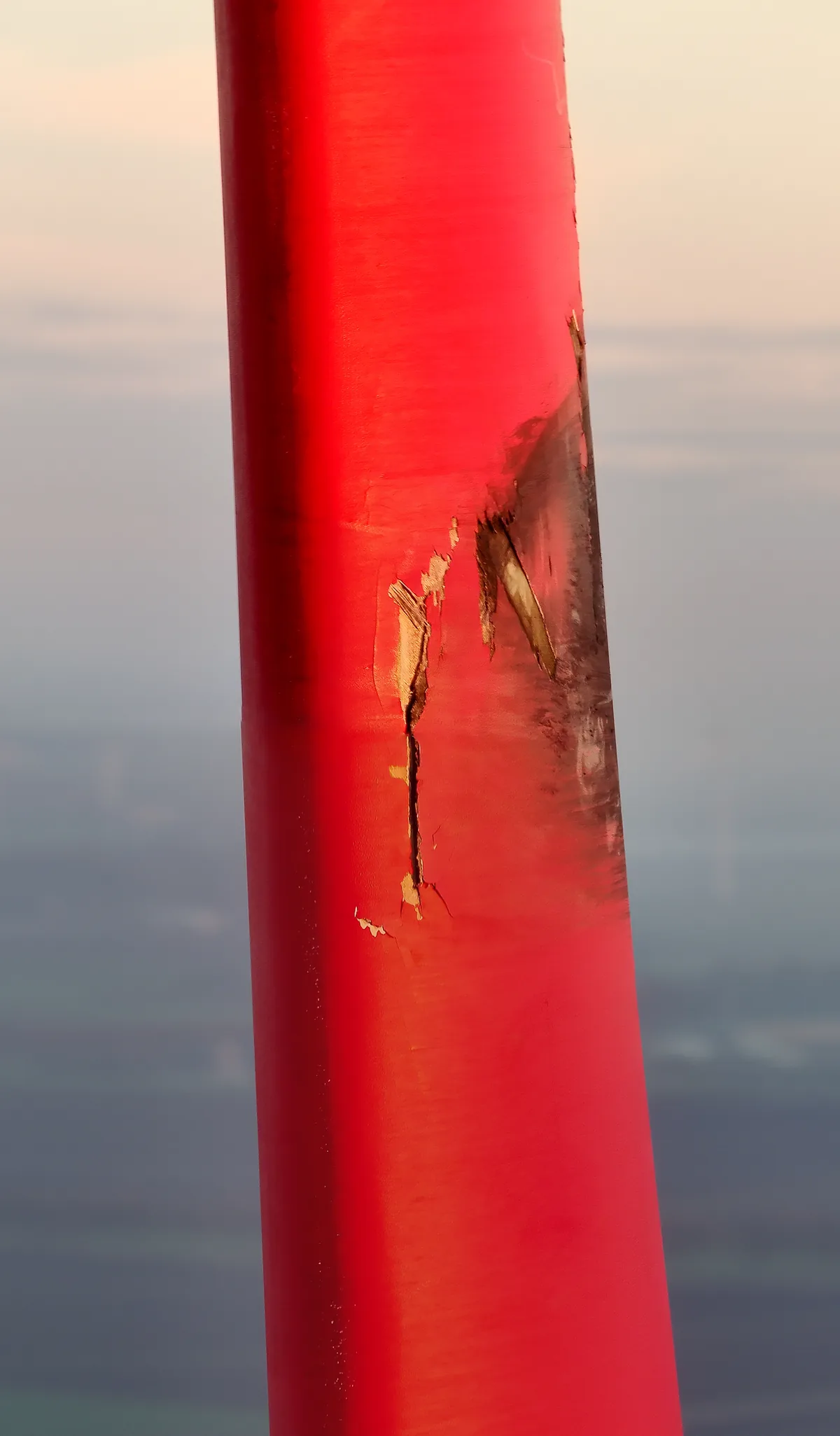
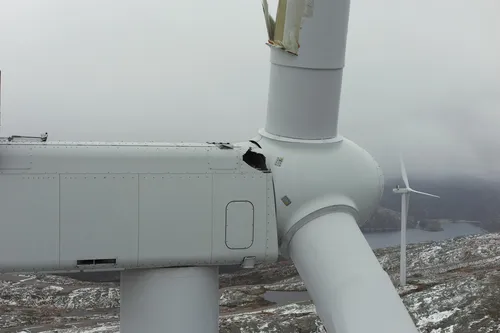
Severity class 3
Blade 2 – leading edge erosion – 65 to 70 m
17000+
Blades inspected
±40 min
Downtime per inspection type
95%
Automated flight paths
12
Onshore turbines per team, per day
Services
What we inspect
A blade fails in two ways: the structure wears, or the lightning protection stops conducting. We check both in the same rotor stop, once or every year. When damage cannot wait, we come out for a single turbine. And before the warranty ends, we put every defect on record.
Blade inspections
Every face of every blade, in about 40 minutes.
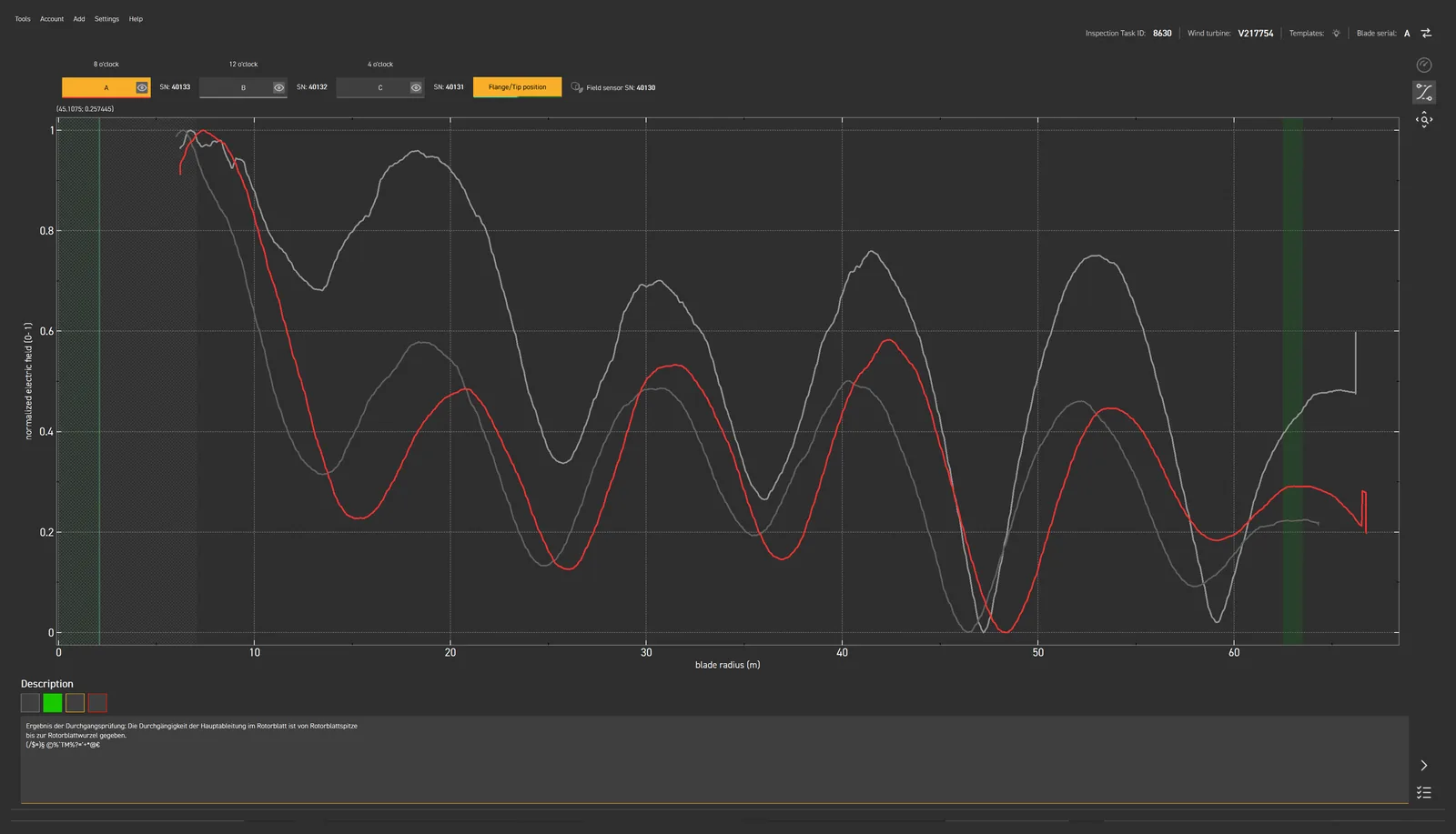
Contactless LPS inspections
Receptor resistance and continuity, in the same rotor stop.
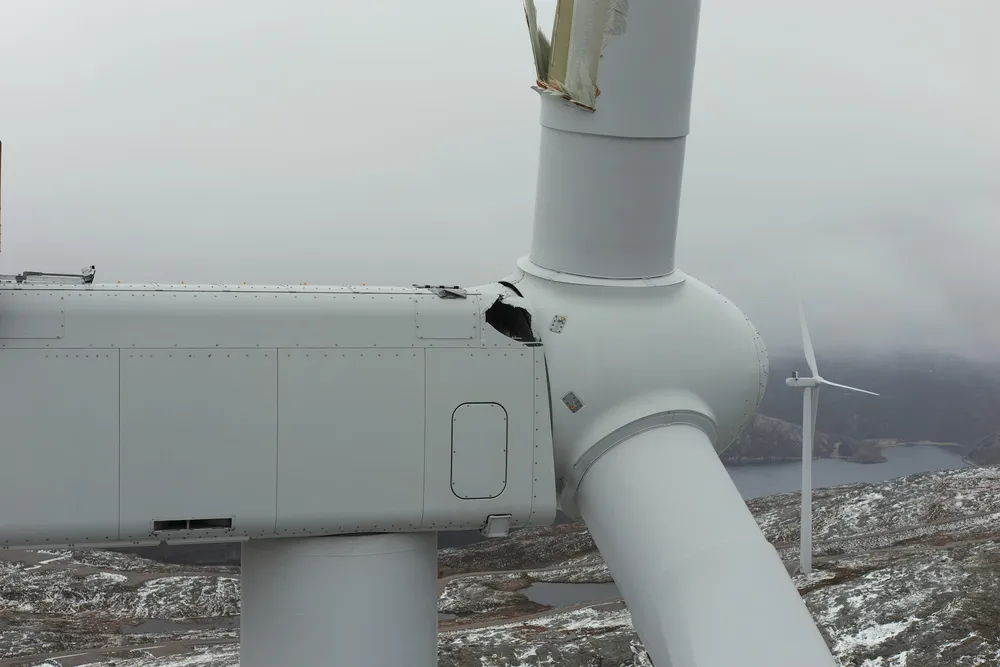
Urgent inspections
Fast, after a lightning strike or a storm.
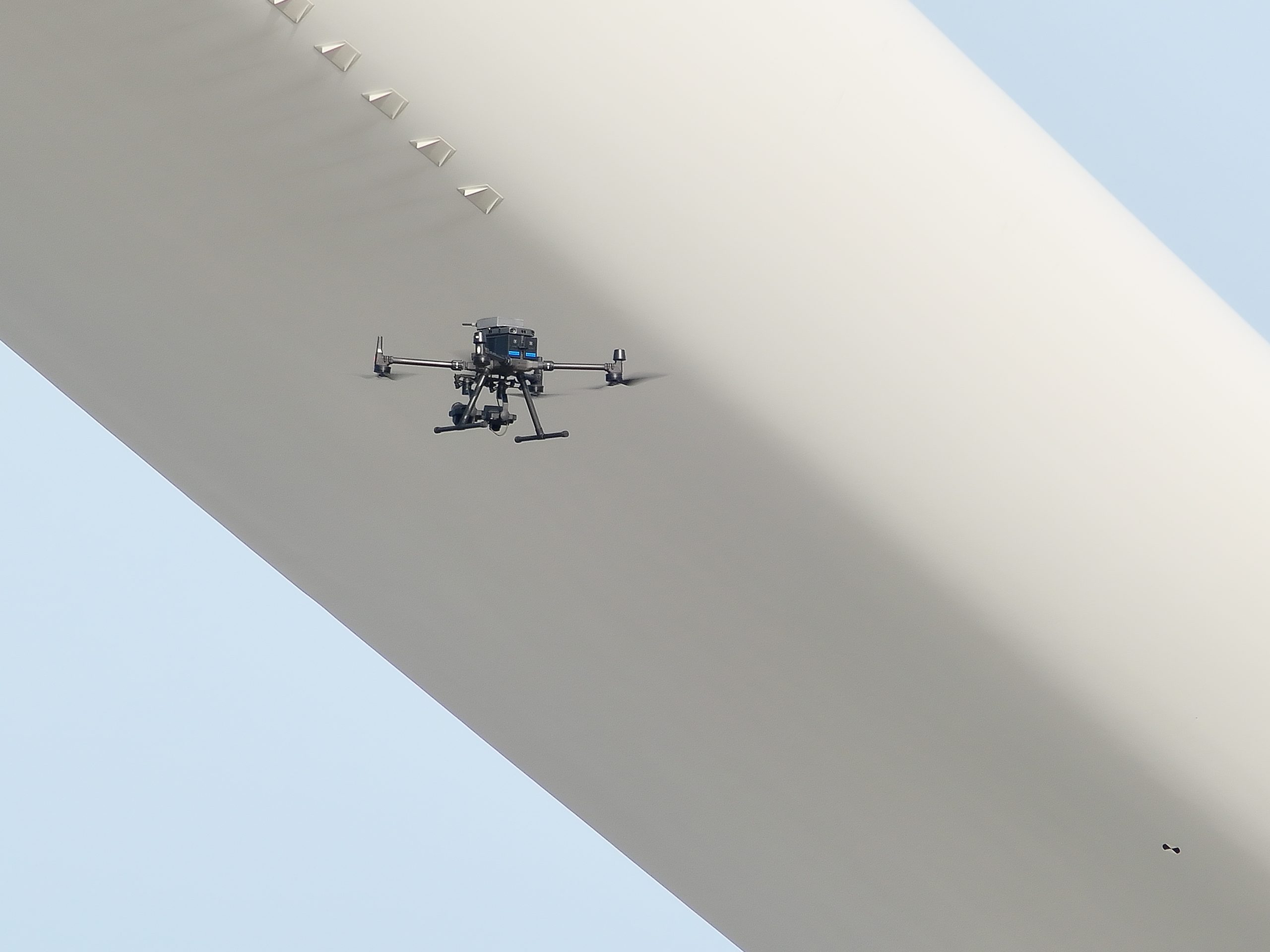
End-of-warranty inspections
Every defect on record before the manufacturer's warranty runs out.
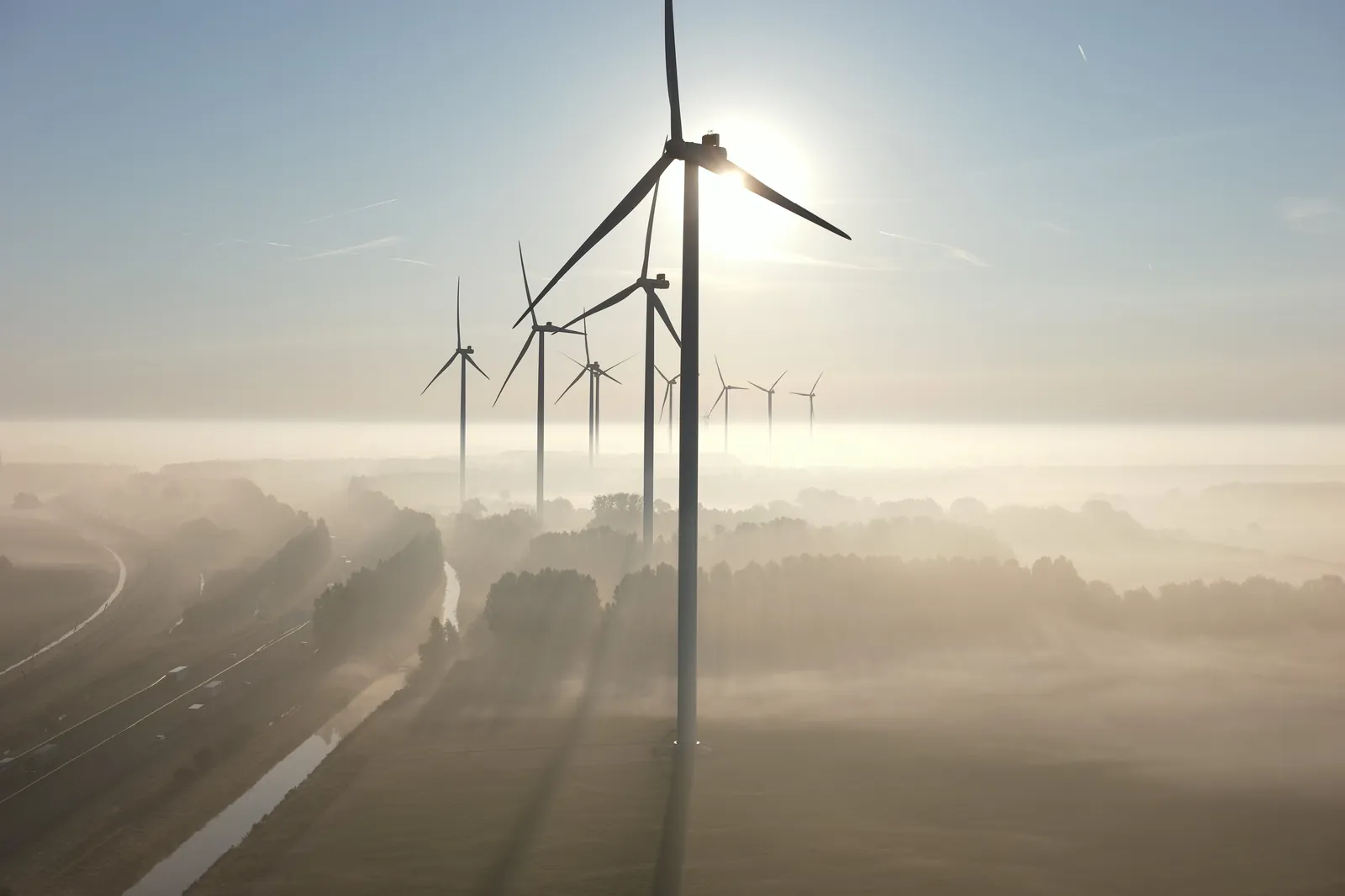
Yearly routine inspections
Every turbine checked each year, flown the same way.
Clients
Who we work for
Owners and operators, the managers who run their parks, the experts who assess them, the insurers who cover them and the partners who subcontract the flights. Each gets the same independent inspection, reported the way they need it.
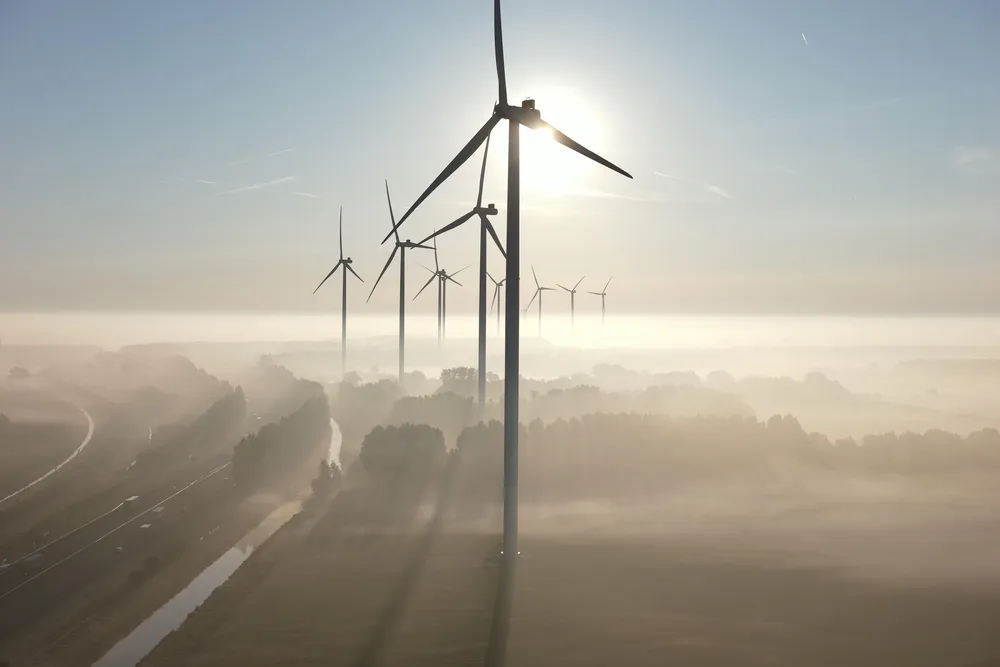
Owners & operators
Fewer rotor stops, a clear defect record and repairs you plan yourself.
Technical & asset managers
One contact for every park you manage, reported the same way each year.
Independent experts
Complete, traceable blade data for your annual assessment.
Insurers
Independent damage documentation after a lightning strike or a storm.
Service partners
Certified flight capacity across Northern Europe for your inspection programme.
Trusted by












Add your park to the ones we fly frequently
Operating area
Working across Northern Europe
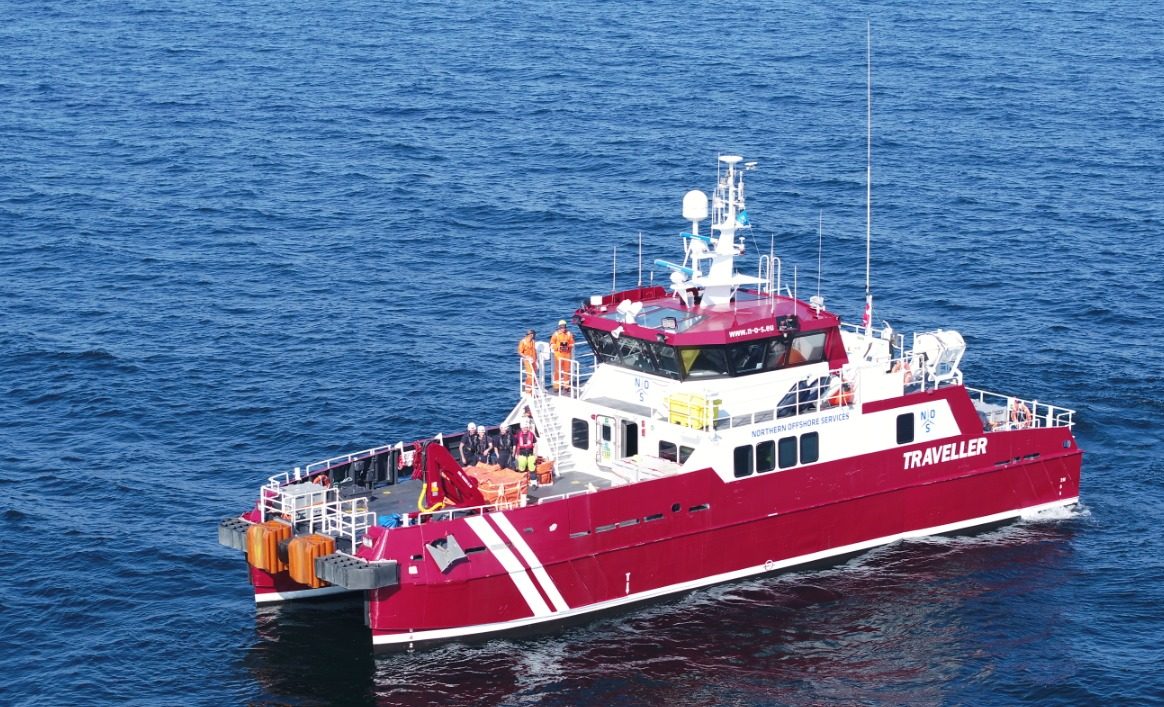
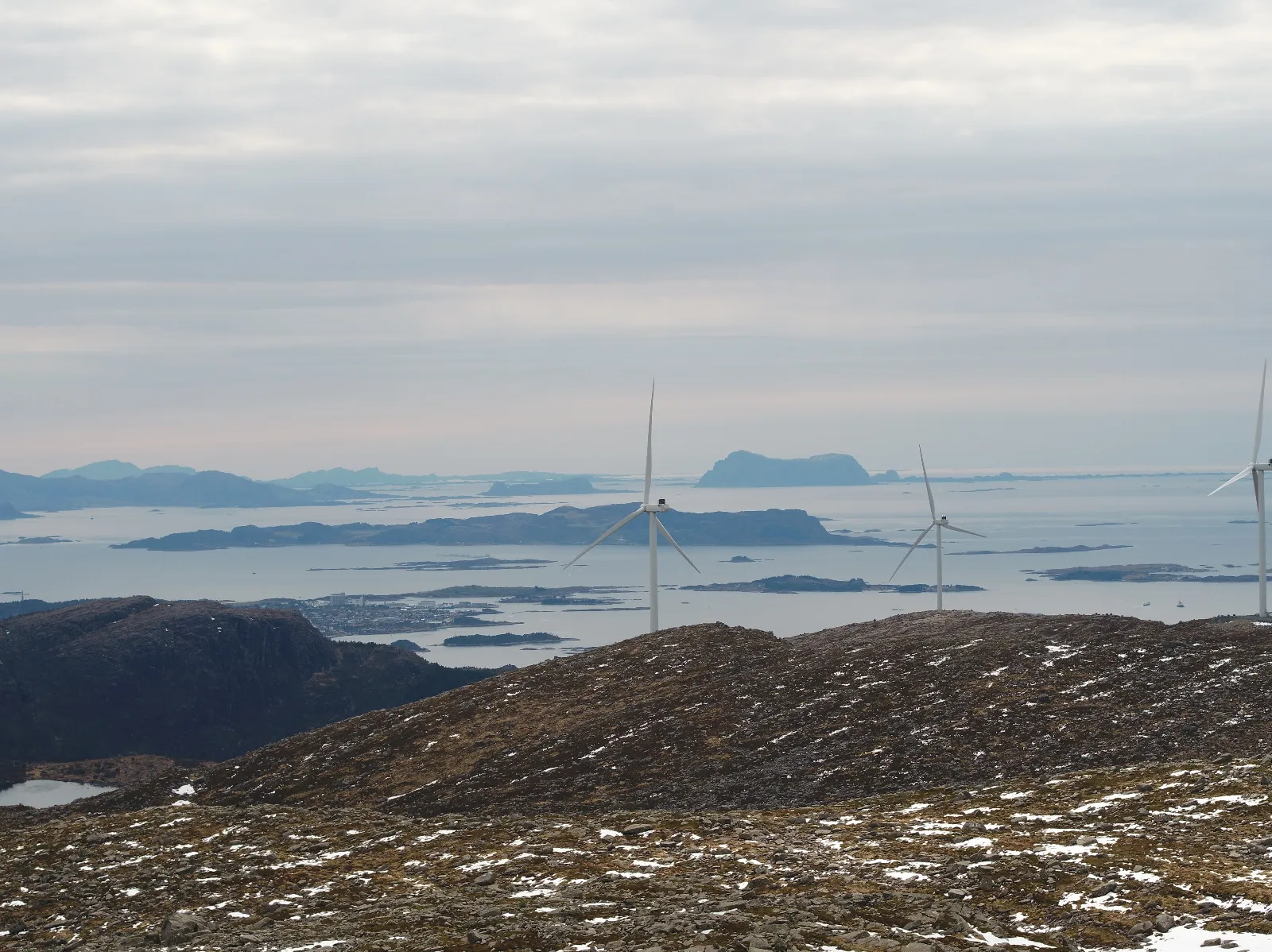
Onshore and offshore in the Netherlands, Belgium, Germany, Denmark, Sweden, Norway and Finland. Several countries, one crew, one way of measuring.
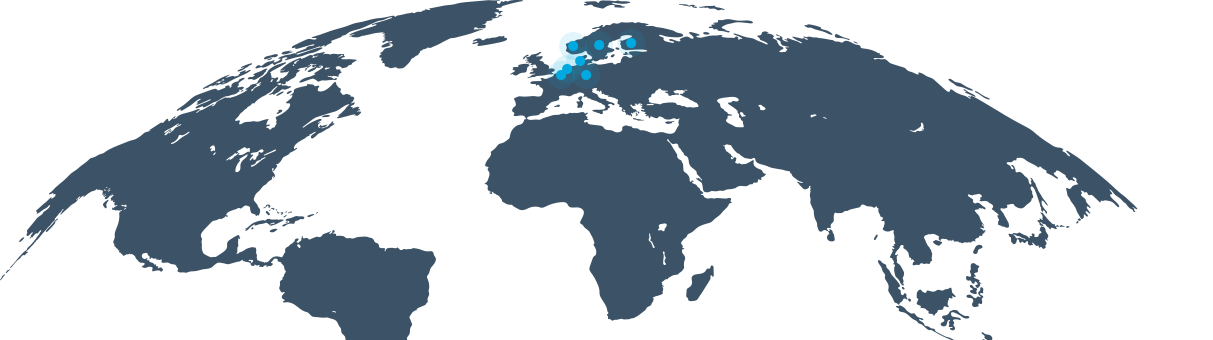
Sites flown
Fully certified and audited







Our process
Three steps, one contact, no surprises on site
From the first scan to the final report, you deal with one crew and one way of working.
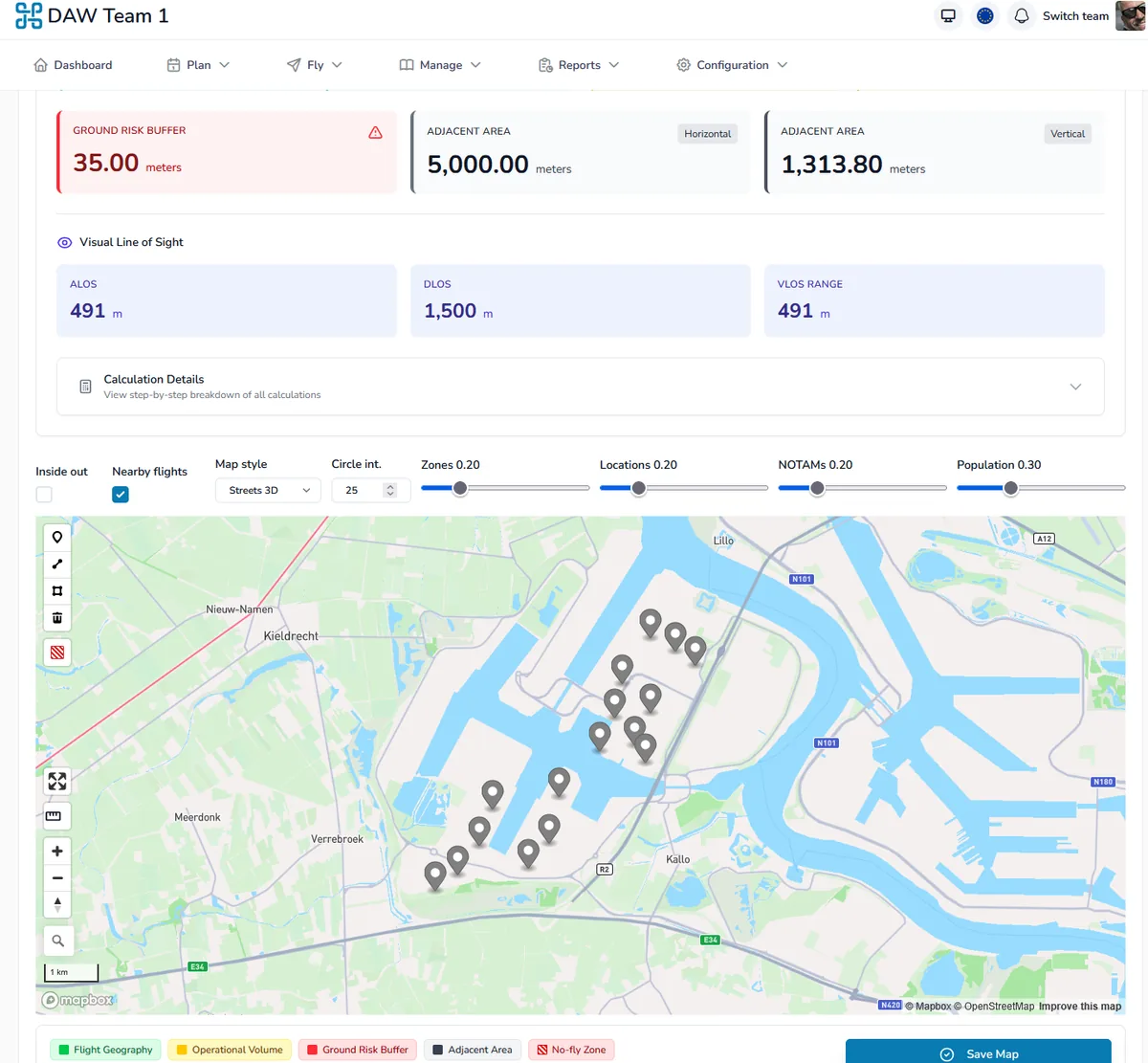
Step 1
Quick scan
We check the park, the surrounding airspace and the risks before a date is agreed. You get a go or no-go up front, not a surprise on the day.
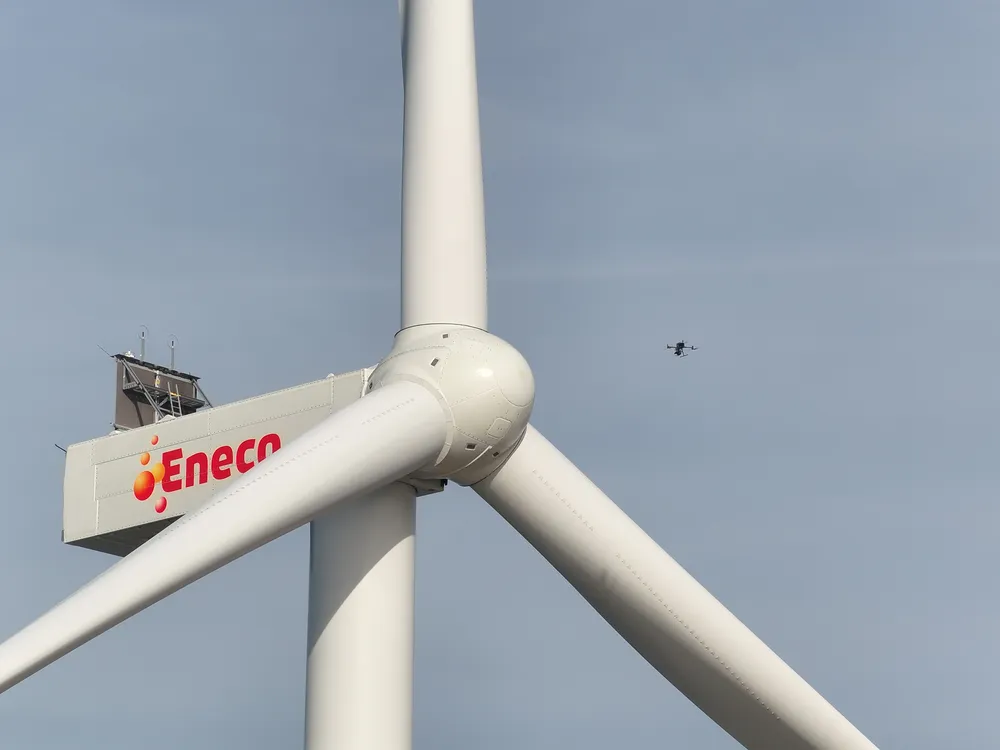
Step 2
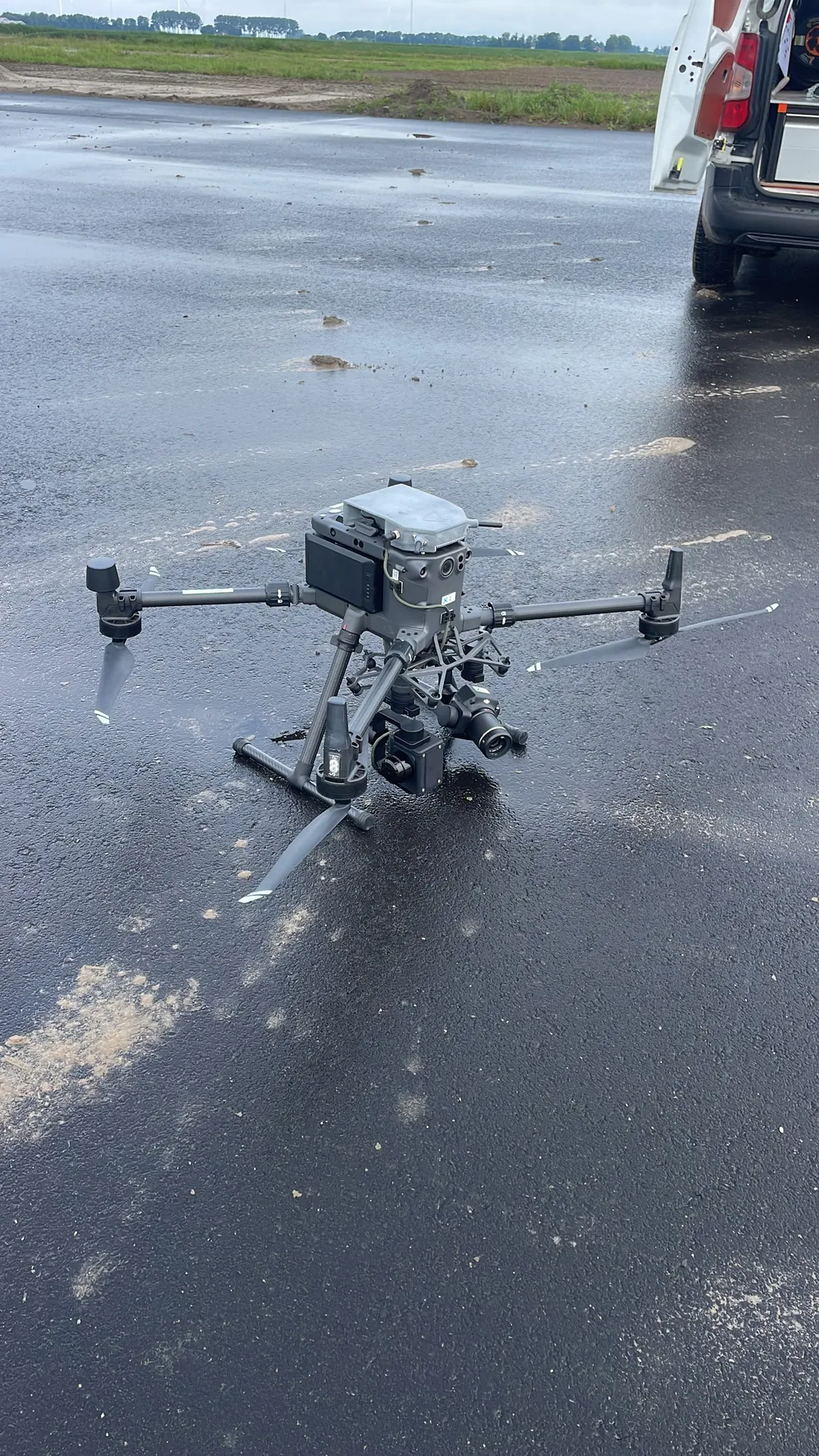
Automated flight
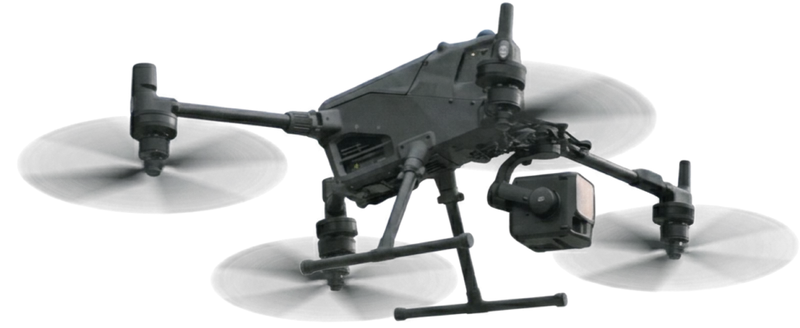
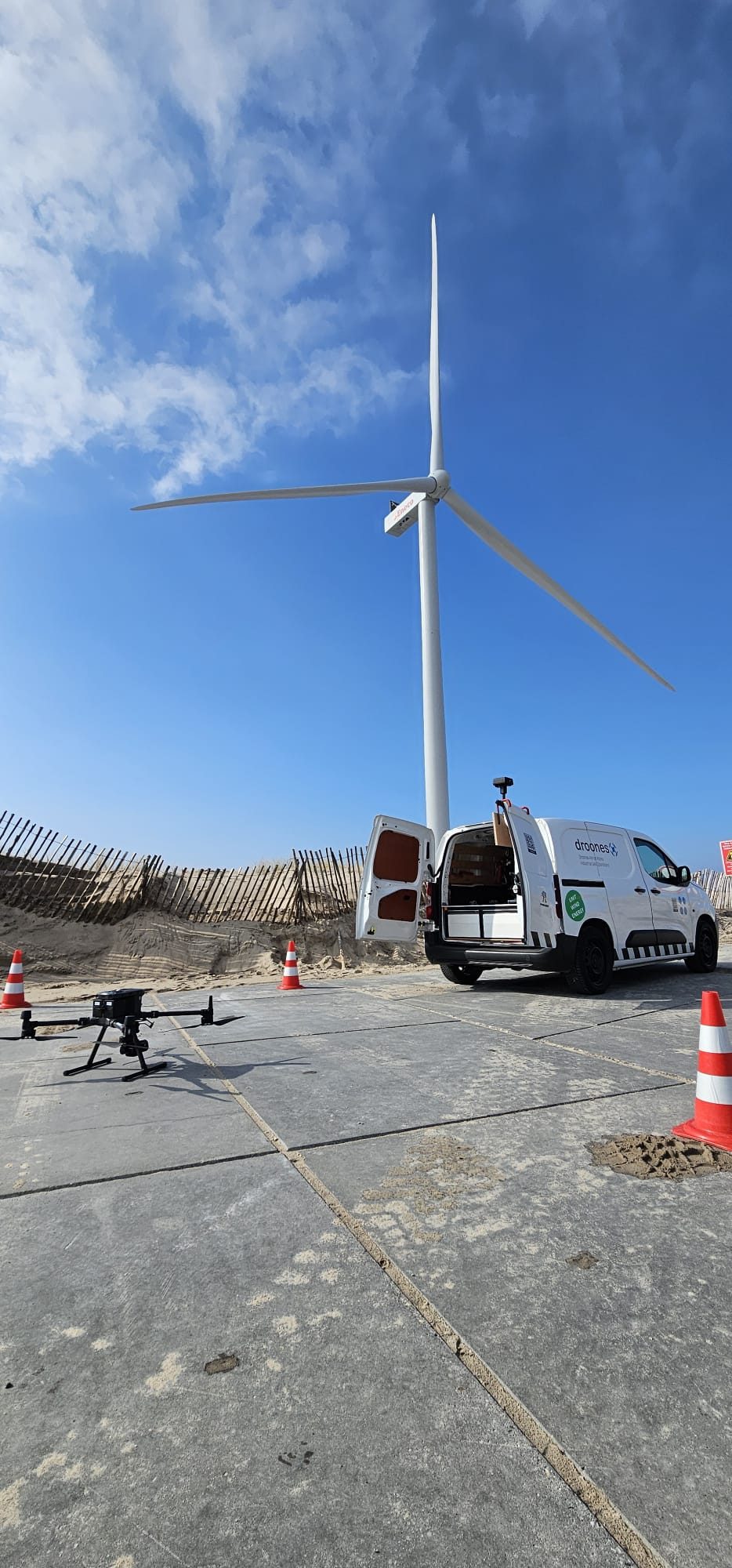
The rotor is stopped once and both inspections are flown in the same window, around 40 minutes per turbine. LiDAR recognises the blade, holds the distance and logs the exact position of every frame.
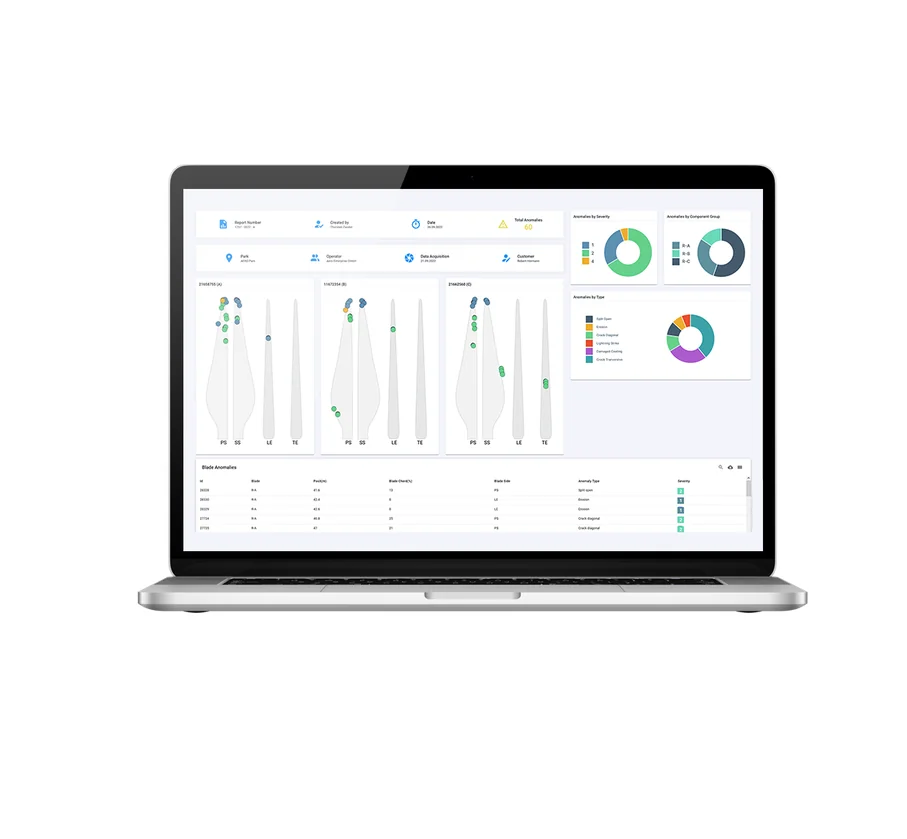
Step 3
Report
Every defect located, sized and placed in one of five severity classes. You view the photos and findings in your own online portal and plan repairs on facts.
Ready to plan your next inspections?

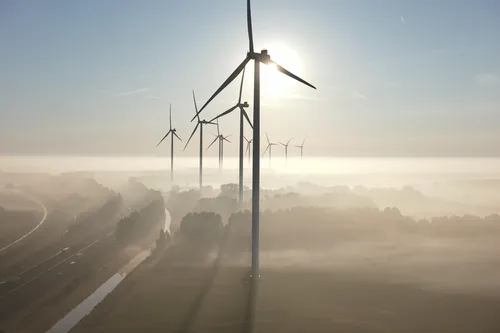
Blade inspection with 95% of the flight automated
Reviews
What our clients say
“One window, one contact, and the turbine released on time.”
Michel Joosten
Asset manager, wind operator
“Blade and LPS in one stop saved us a second shutdown. The report was ready before the next planning meeting.”
Sanne de Vries
Operations lead, onshore park
“Clear severity classes, so we could plan repairs on facts instead of photos.”
Pieter Bakker
Technical manager, offshore
Questions
Frequently asked
Most owners inspect once a year, and again after a lightning strike or a storm. Because we fly the same route every year, you see exactly how damage develops.
That depends on the number of turbines, the location and whether you add an LPS measurement. Tell us the park and the turbine type, and we send you a proposal.
Around 40 minutes per turbine for blade and LPS together. The rotor is stopped once, in a single downtime window.
Yes. As an operator in the Specific Category, we are allowed to fly in controlled airspace, for example near airports and air bases. We arrange the permissions during the quick scan, before a date is agreed.
No. We only inspect, so our findings are independent. You choose your own repair partner, and we deliver the data in a form they can work with.
A report per turbine with every defect located, sized and placed in a severity class, plus access to your own online portal with all photos. The data is yours.

Get started
Planning your next inspections?
Tell us the park and the turbine type. We come back with a proposal, not a sales call.