
Services
Urgent inspections after storm or lightning
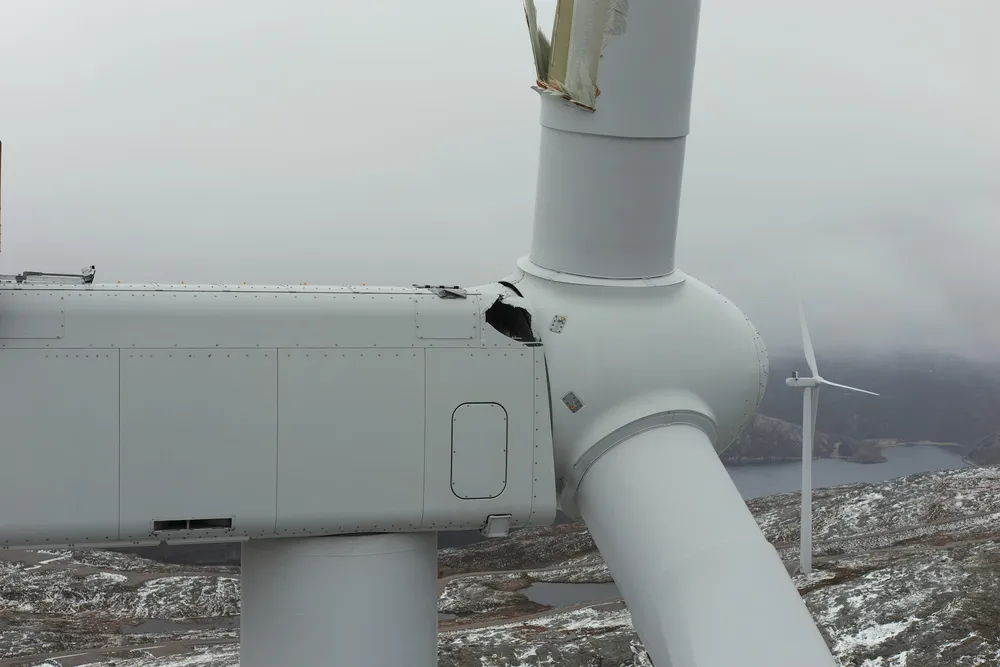
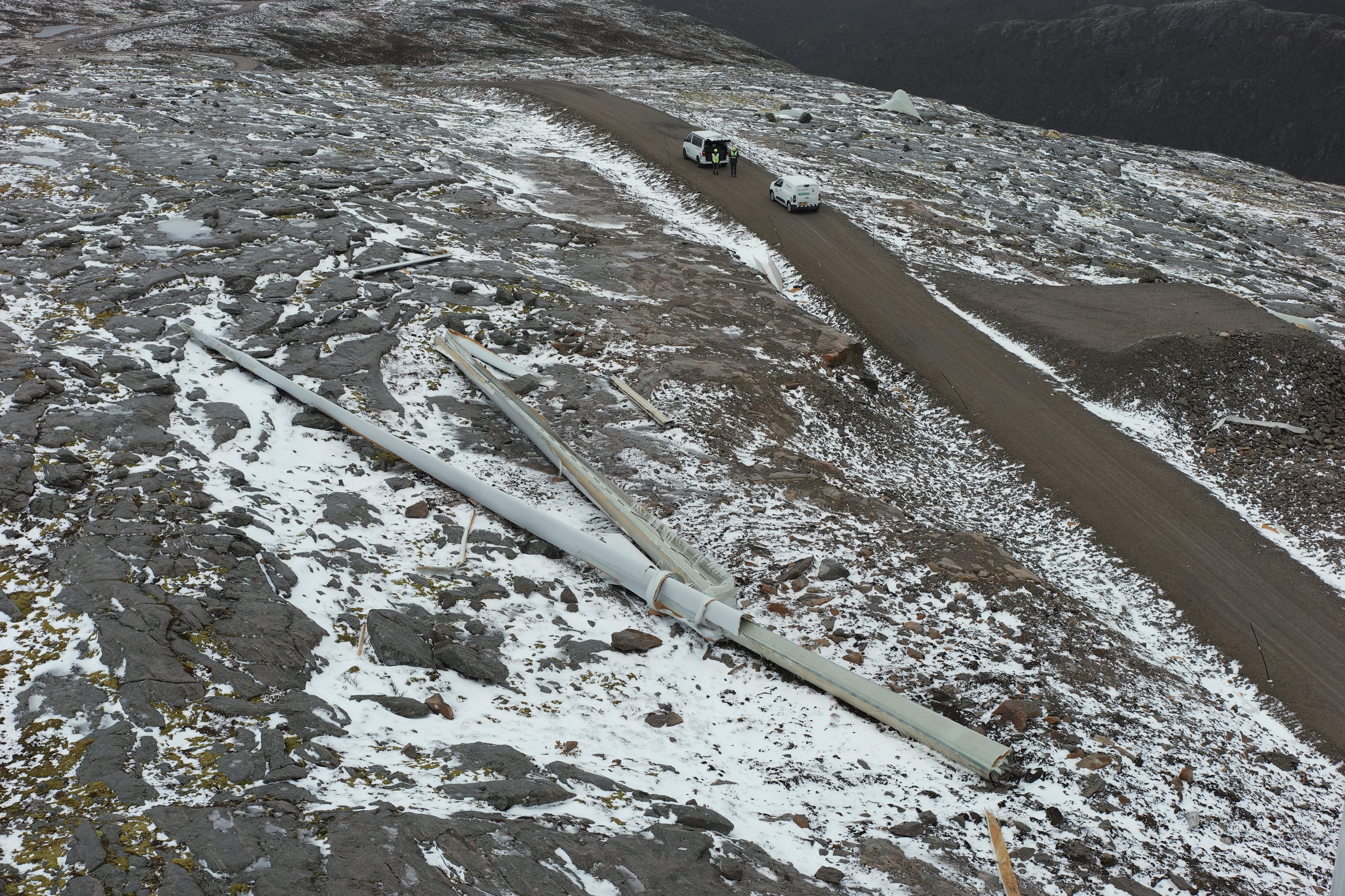
Lightning strike, storm damage or an unexpected alarm? We inspect the affected turbines as soon as possible, so you can decide with confidence whether to restart.
±40 min
Downtime per turbine
17,000+
Blades inspected
95%
Automated flight paths
203
Turbine types in our database
When to call
Know what happened before you restart
After a lightning strike, a storm or an unexpected alarm, you want to know quickly whether a turbine can run again safely. Restarting with a damaged blade can turn a repairable defect into a much bigger problem.
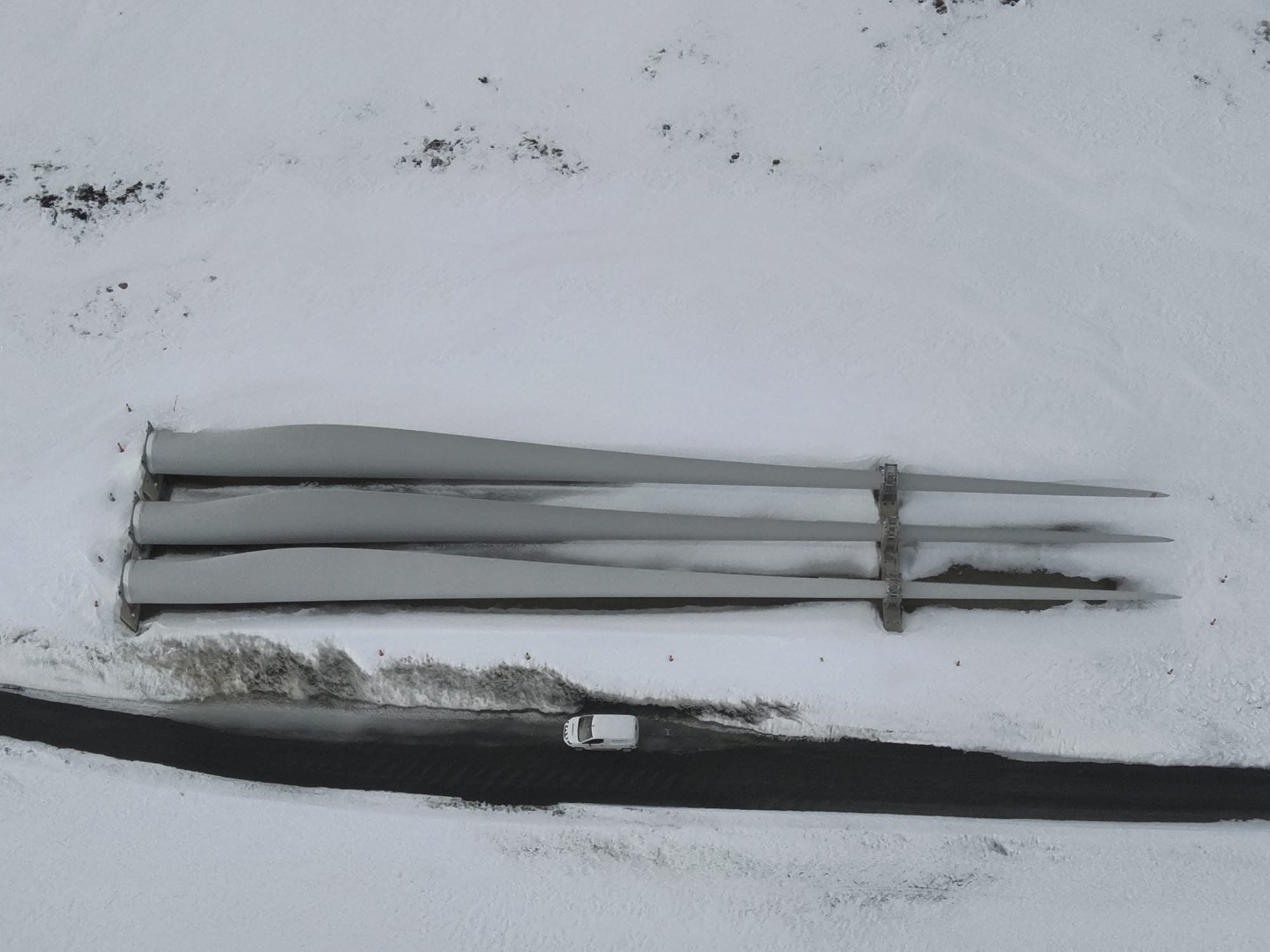
We inspect the affected blades with the same LiDAR-guided method as our regular inspections. You get photos and findings per blade, with severity classes, so you, your service provider and your insurer can decide on the next step based on facts.
Same method, same quality
The same automated flight and severity classes as our regular inspections, so results are directly comparable.
Independent documentation
Dated photos and findings you can share with your insurer or an expert. We do not repair, so we have no stake in the outcome.
Self-sufficient on site
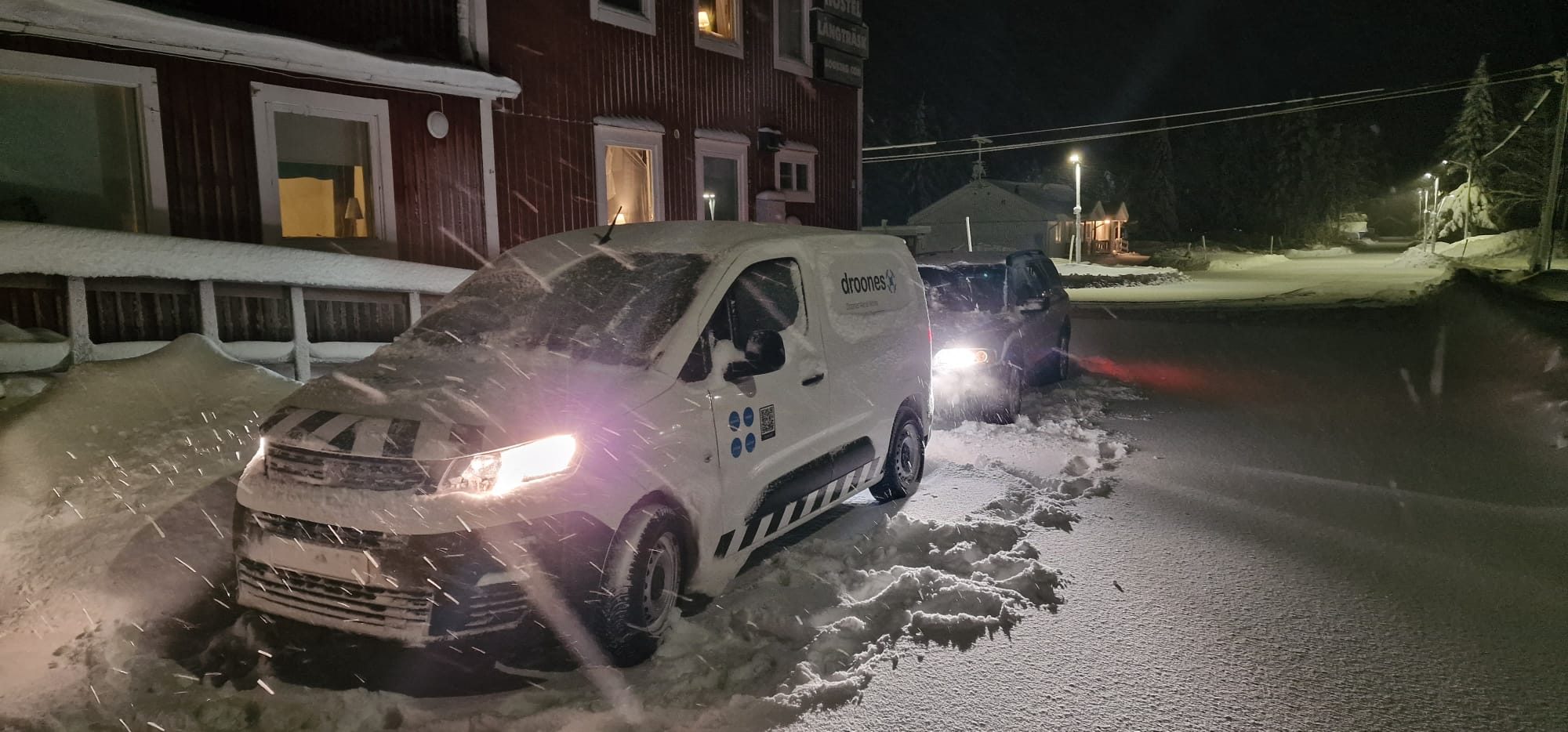
We bring our own power supply and backup equipment, so a turbine that is down does not stop us.
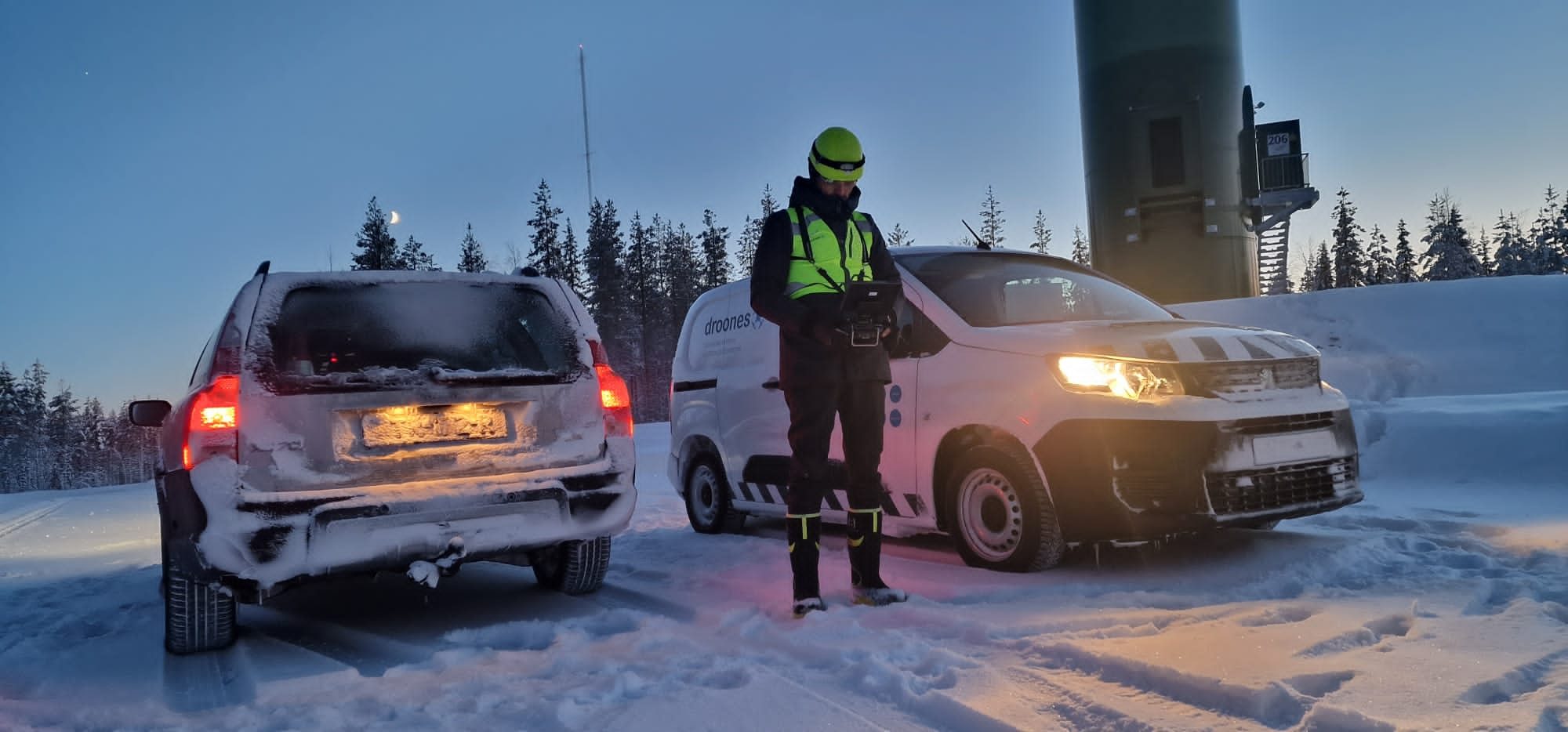

Our process
How we work
When time matters, you get one point of contact and a clear plan.

Step 1
Quick scan
We check the park, the surrounding airspace and the risks before a date is agreed. You get a go or no-go up front, not a surprise on the day.
Step 2
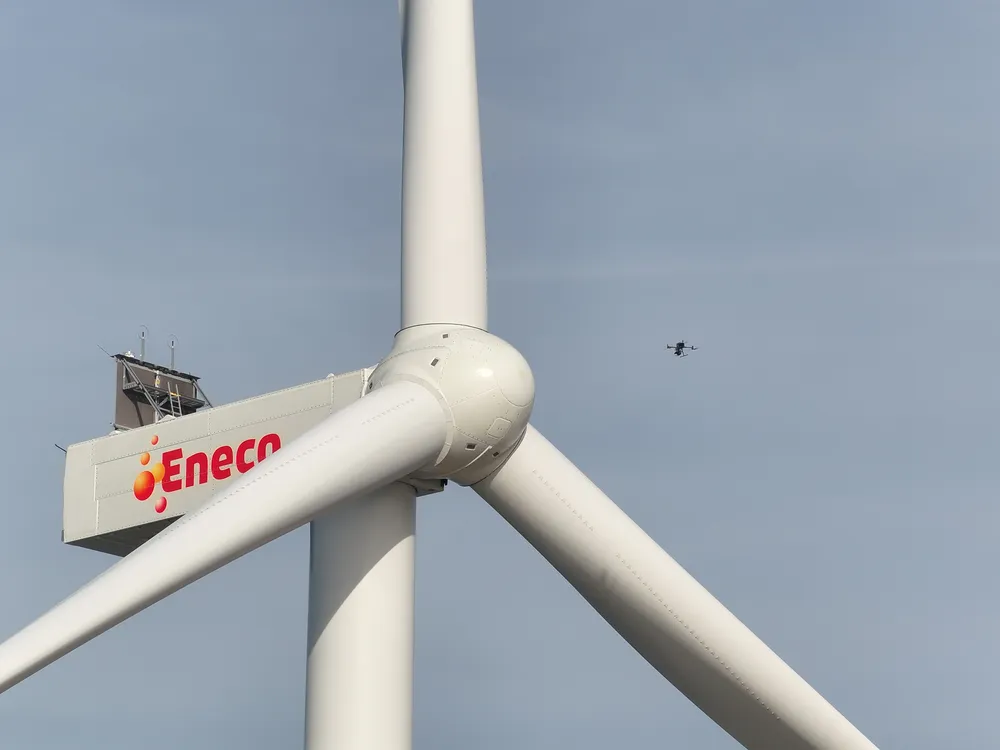
Automated flight
The rotor is stopped once and both inspections are flown in the same window, around 40 minutes per turbine. LiDAR recognises the blade, holds the distance and logs the exact position of every frame.
Step 3
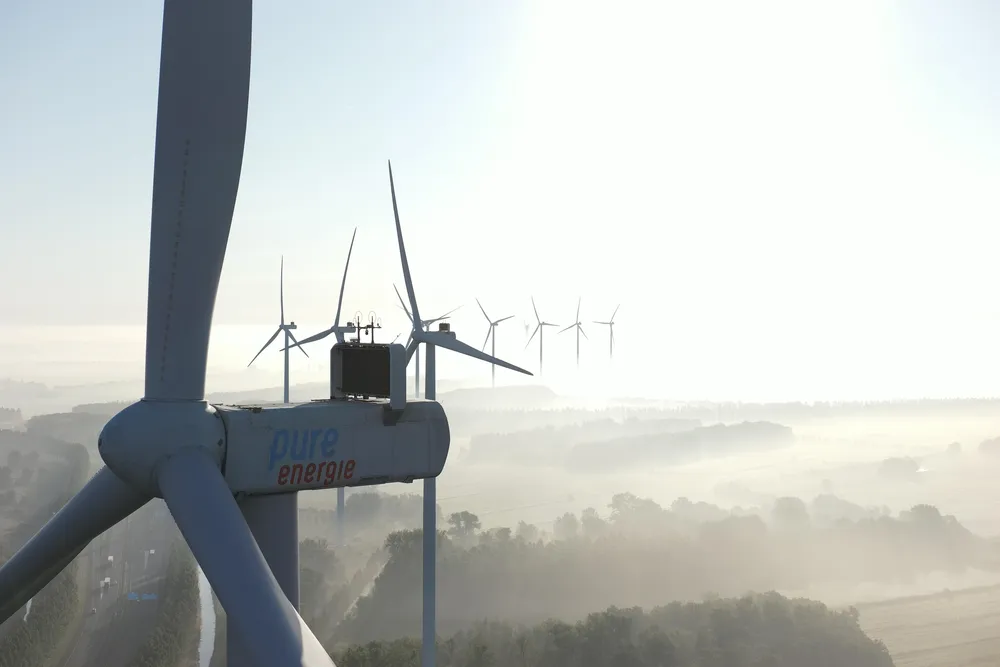
Report
Every defect located, sized and placed in one of five severity classes. You view the photos and findings in your own online portal and plan repairs on facts.
Damage after a storm or lightning strike? Contact us straight away.
Questions
Frequently asked
That depends on the location, the weather and our planning at that moment. Contact us straight away and we will tell you honestly when we can be there.
The park and turbine numbers, what happened and, if available, alarm data or the time of the strike. We take care of the rest.
Our reports give independent, dated documentation of the damage, with photos and exact positions. What your insurer needs for a claim differs per policy, so check with them what they require.
Yes. After a lightning strike it makes sense to measure the LPS as well. We do that in the same rotor stop.
Get started
Damage after a storm or strike?
Contact us with the park and the turbines involved. We plan the inspection as soon as we can.