
Services
Contactless LPS inspection by drone
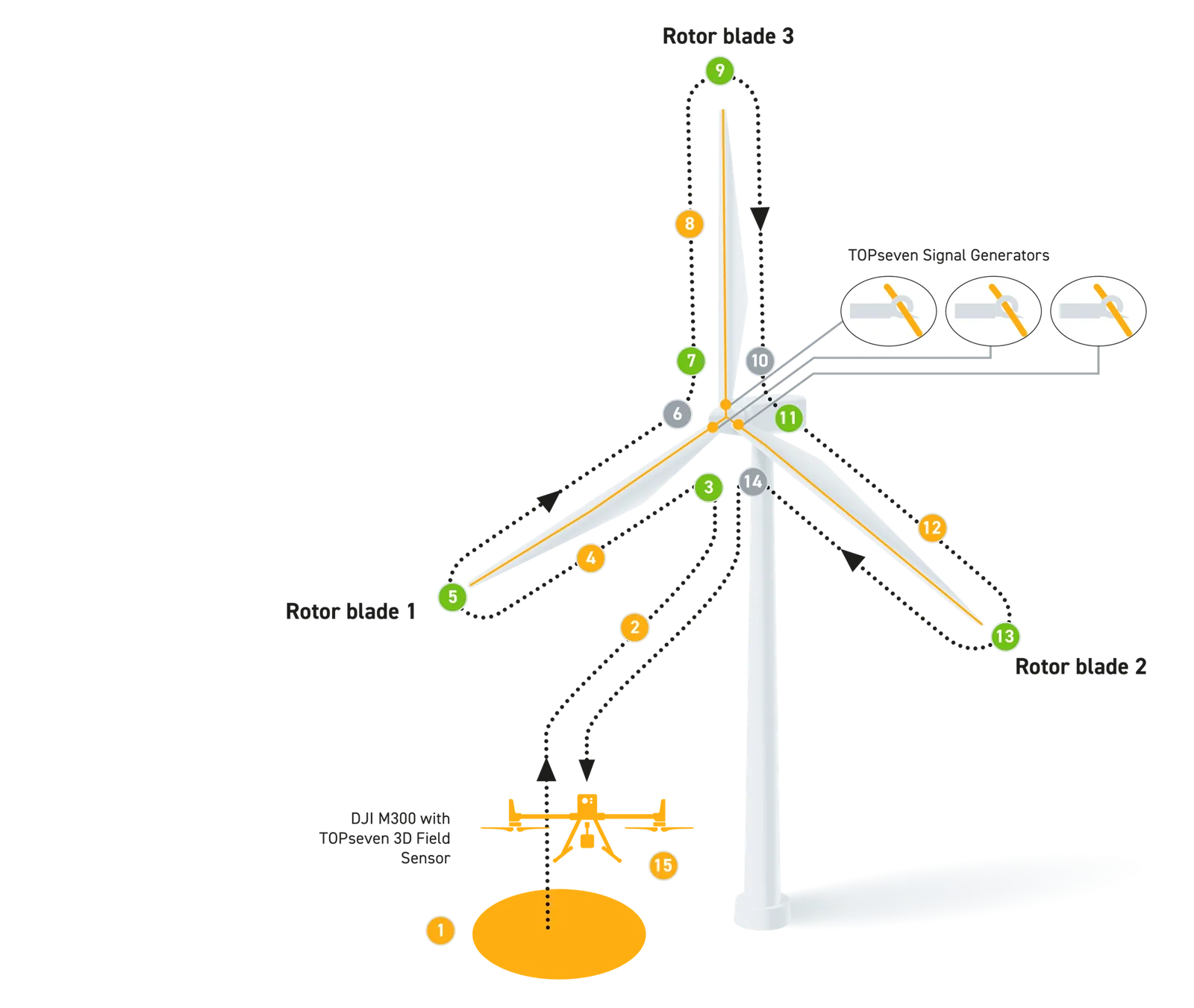
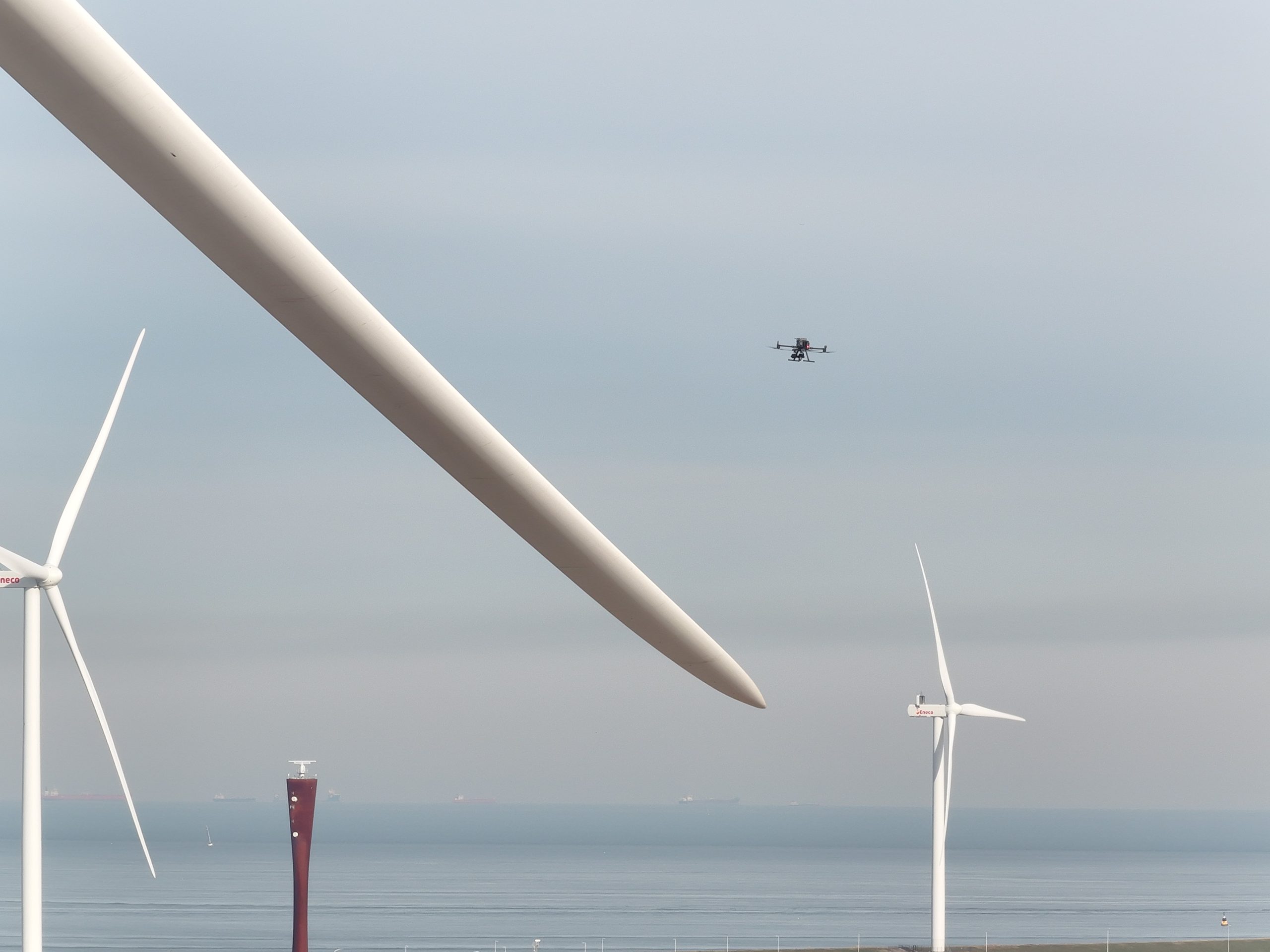
We check the lightning protection system of every blade by drone, based on IEC 61400-24. No rope access, and no extra rotor stop when you combine it with a blade inspection.
±40 min
Downtime per turbine
17,000+
Blades inspected
95%
Automated flight paths
203
Turbine types in our database
Why measure
You cannot see whether lightning protection works
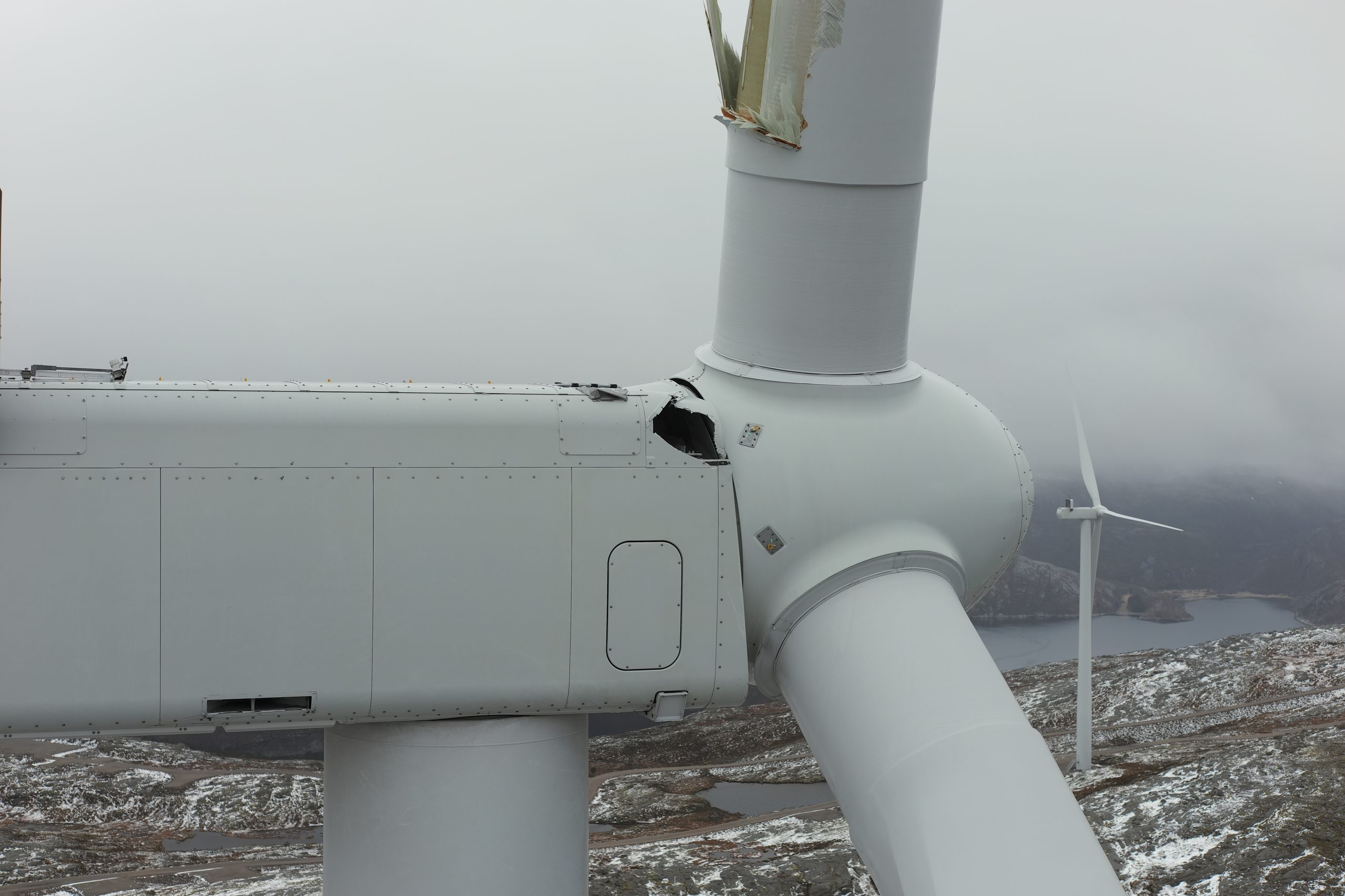
The lightning protection system leads the current of a strike safely to the ground, but only as long as receptors and down conductors are intact. A broken connection is invisible from the outside. The next strike can then cause serious damage to the blade.
That is why IEC 61400-24 calls for periodic checks. We measure the conductive path of every blade without rope access and record the results per turbine. Values outside the limits are clearly marked, so you know which blades need attention.
No rope access
The drone does the work at height. Faster than a manual measurement, and nobody has to go onto the blade.
Clear values per blade
Measured values compared with the limits, so you see at a glance which blades need follow-up.
One rotor stop
Combined with a blade inspection in the same window, so you only lose production once.
Technology
Built on TOPseven technology
Our contactless LPS measurements run on the software and measuring technology of TOPseven, specialists in visual inspection and contactless lightning protection measurement of wind turbines.
Recognised by insurers
The measuring method is recognised by insurance companies.
Validated by TÜV SÜD
The method is validated and verified by TÜV SÜD.
Patented technology
EP 3 596 570, DE 10 2020 210 618, US 11,397,371 and US 11,435,650.
ISO 9001 certified
TOPseven works to DIN EN ISO 9001.

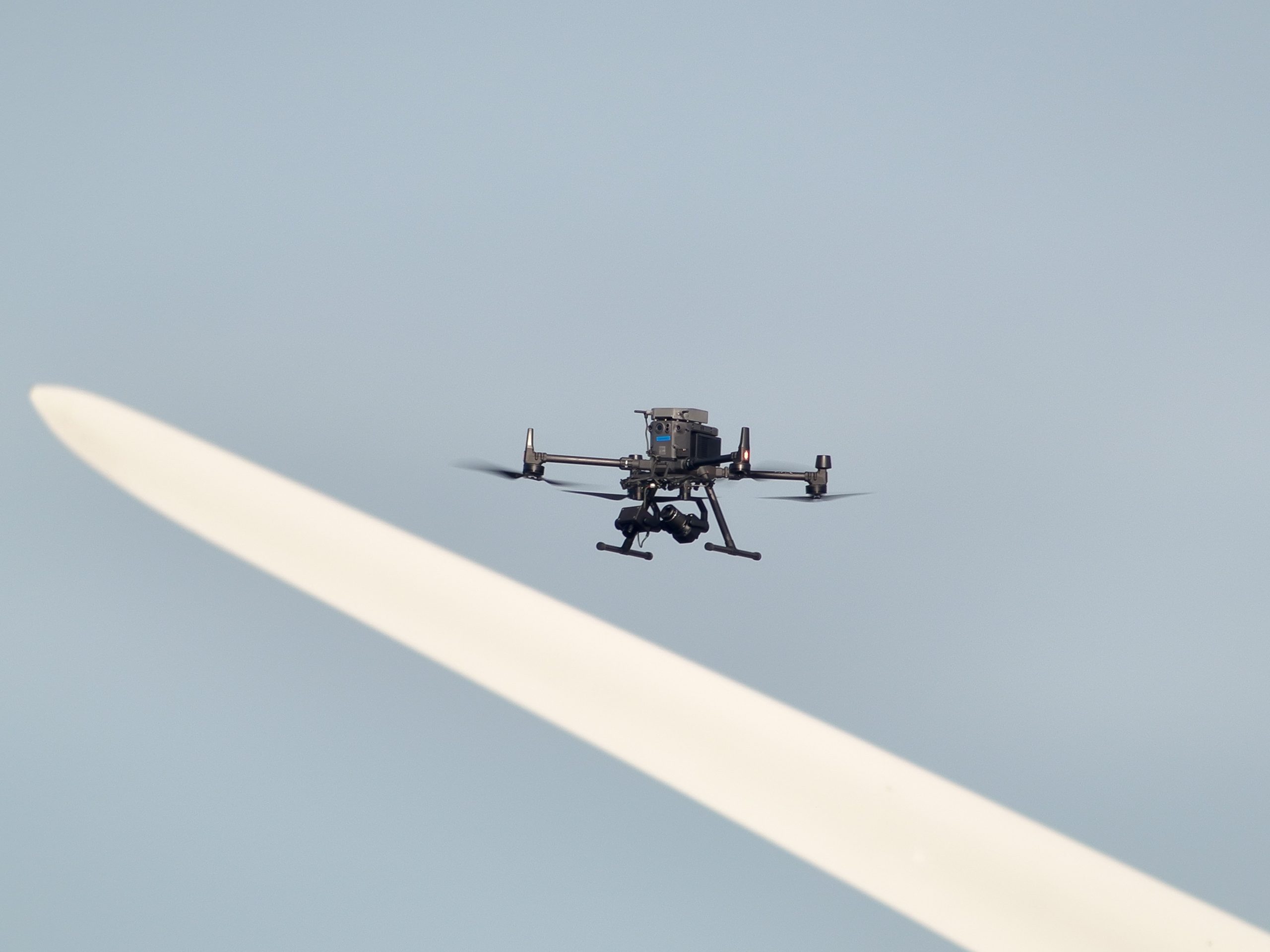
Our process
How we work
From the first scan to the final report, you deal with one crew and one way of working.
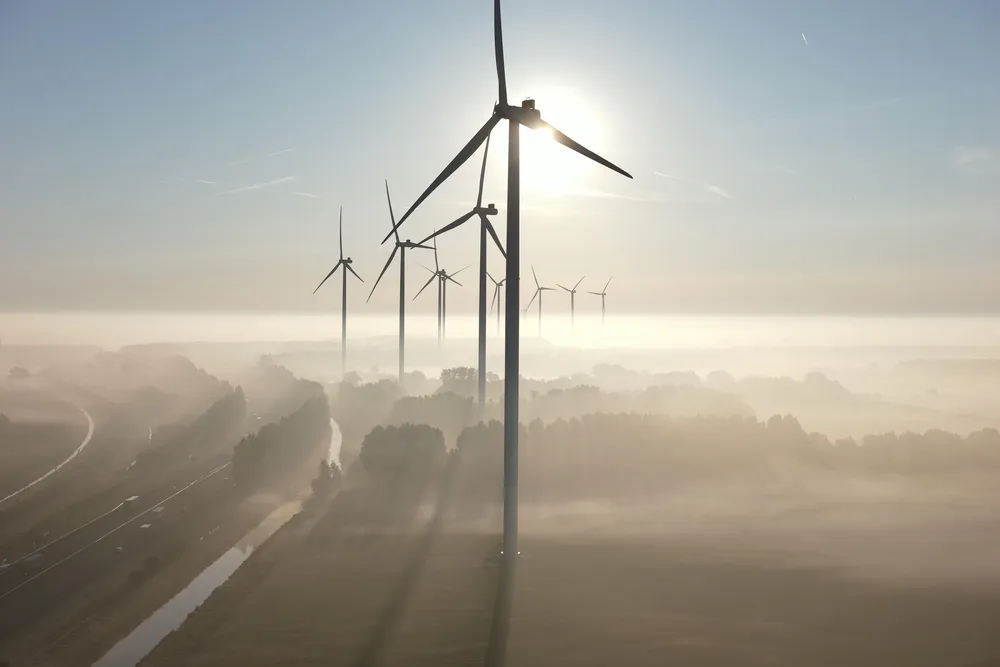
Step 1
Quick scan
We check the park, the surrounding airspace and the risks before a date is agreed. You get a go or no-go up front, not a surprise on the day.
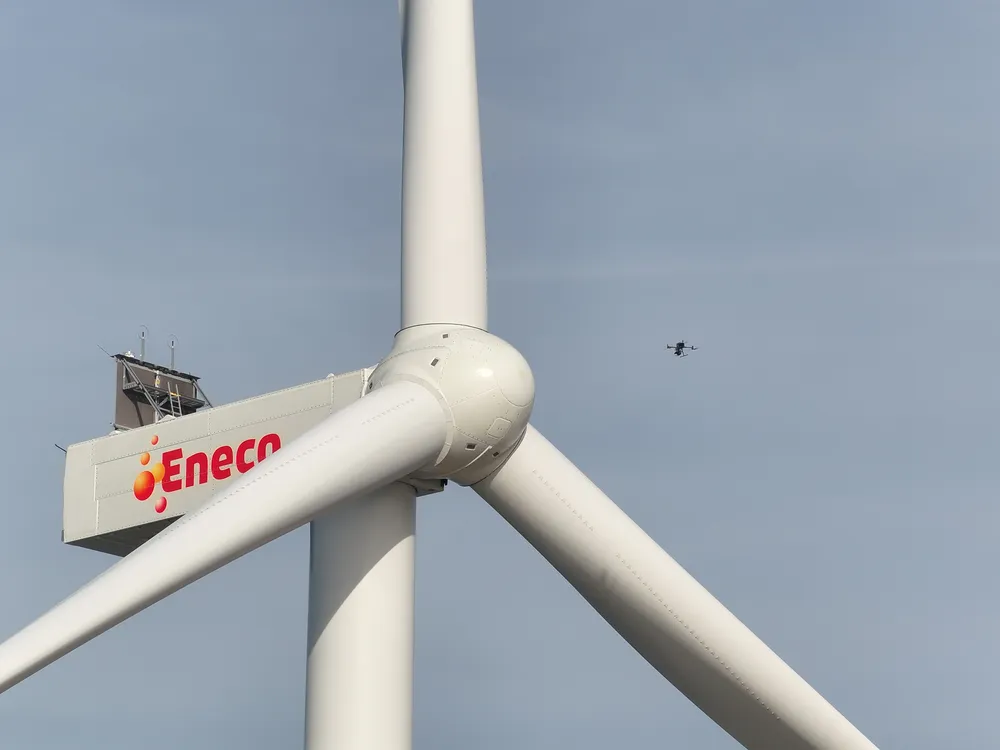
Step 2
Automated flight
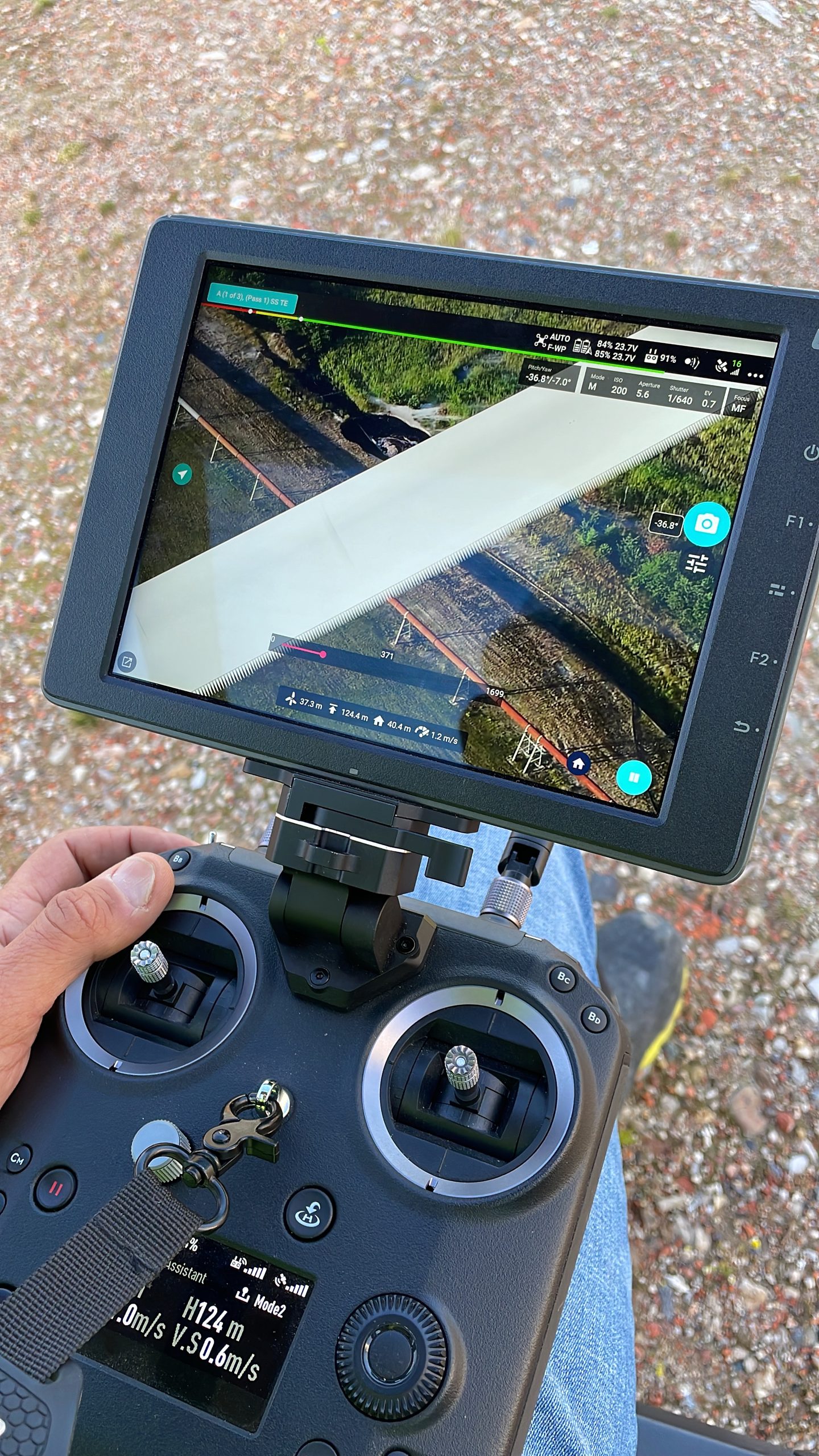
The rotor is stopped once and both inspections are flown in the same window, around 40 minutes per turbine. LiDAR recognises the blade, holds the distance and logs the exact position of every frame.
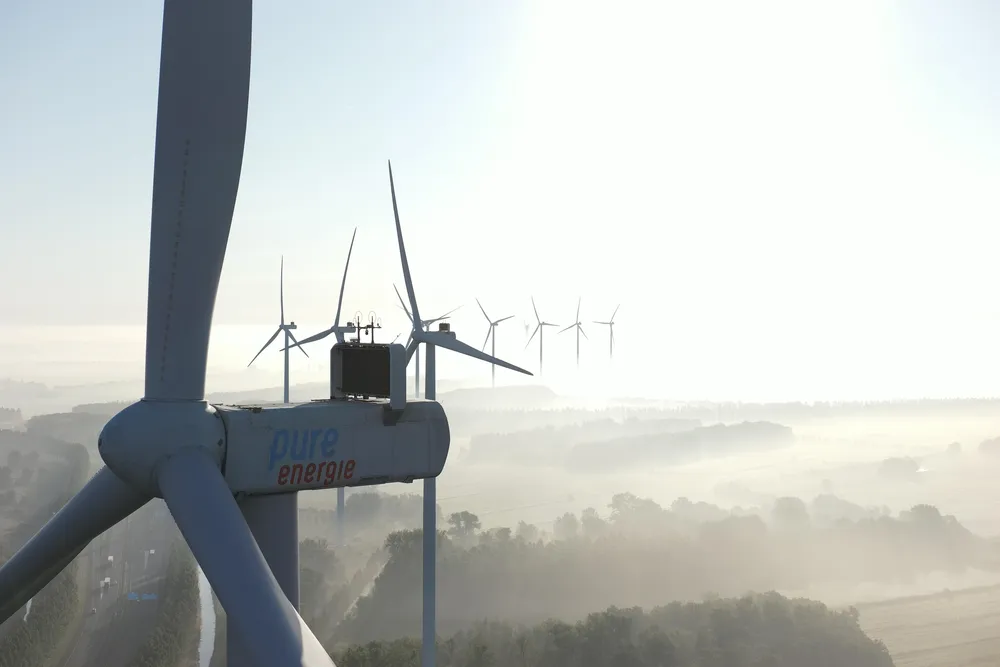
Step 3
Report
Every defect located, sized and placed in one of five severity classes. You view the photos and findings in your own online portal and plan repairs on facts.
Combine it with your next blade inspection and save a rotor stop.
Questions
Frequently asked
A damaged receptor or a broken down conductor is invisible from the outside. If the lightning current cannot flow away, a strike can cause serious damage to the blade. Regular measurement shows whether the system still works.
Our measurements are based on IEC 61400-24, the international standard for lightning protection of wind turbines.
A rope access measurement takes longer and puts people at height on the blade. A drone measurement is faster and keeps everyone on the ground.
Yes. We do both in the same rotor stop. You only lose production once and find all results in one portal.
Get started
Plan your LPS inspection
Tell us the park, the number of turbines and the turbine type. Combine it with a blade inspection and save a rotor stop.