
Services
Wind turbine blade inspection by drone
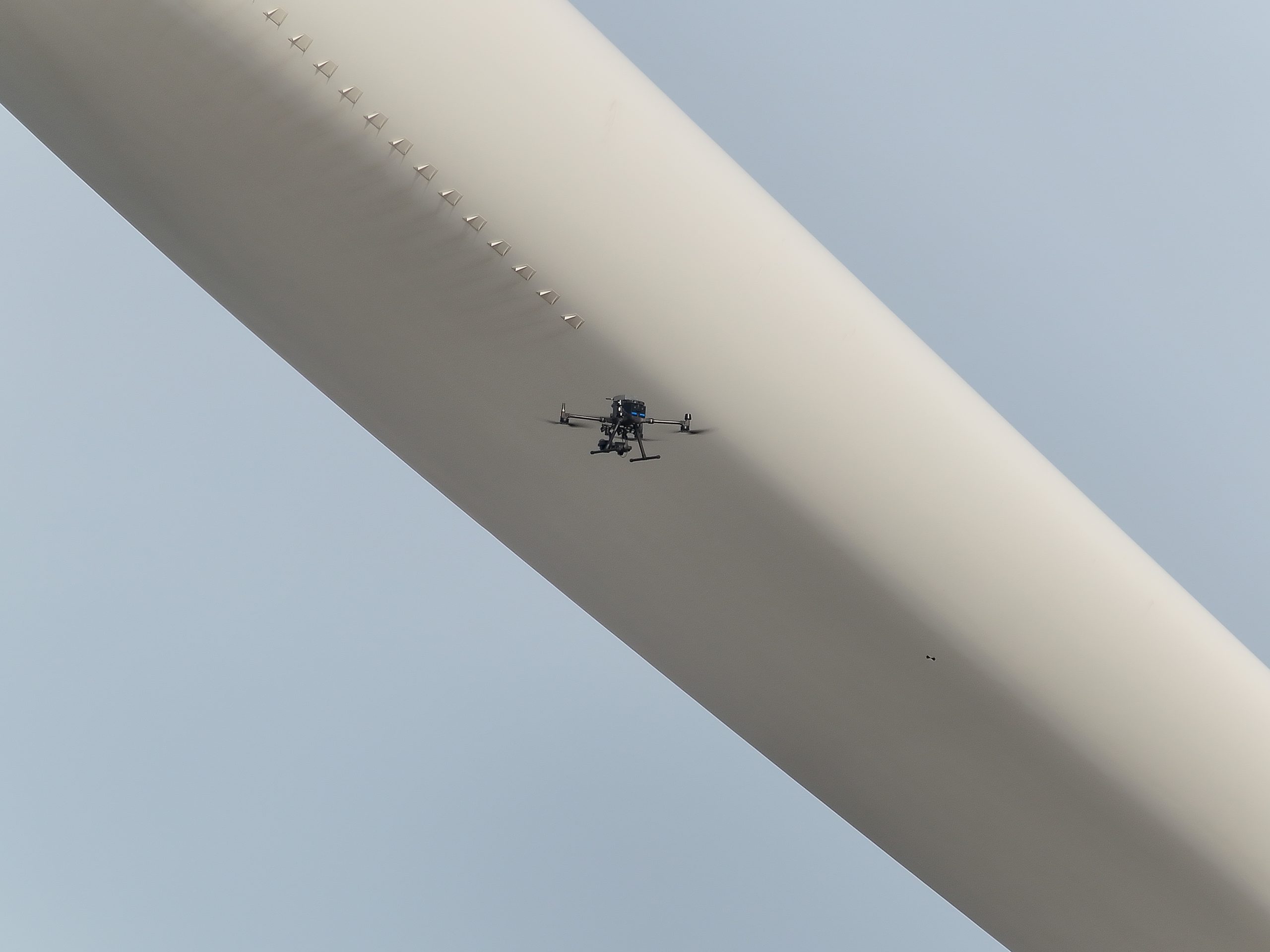
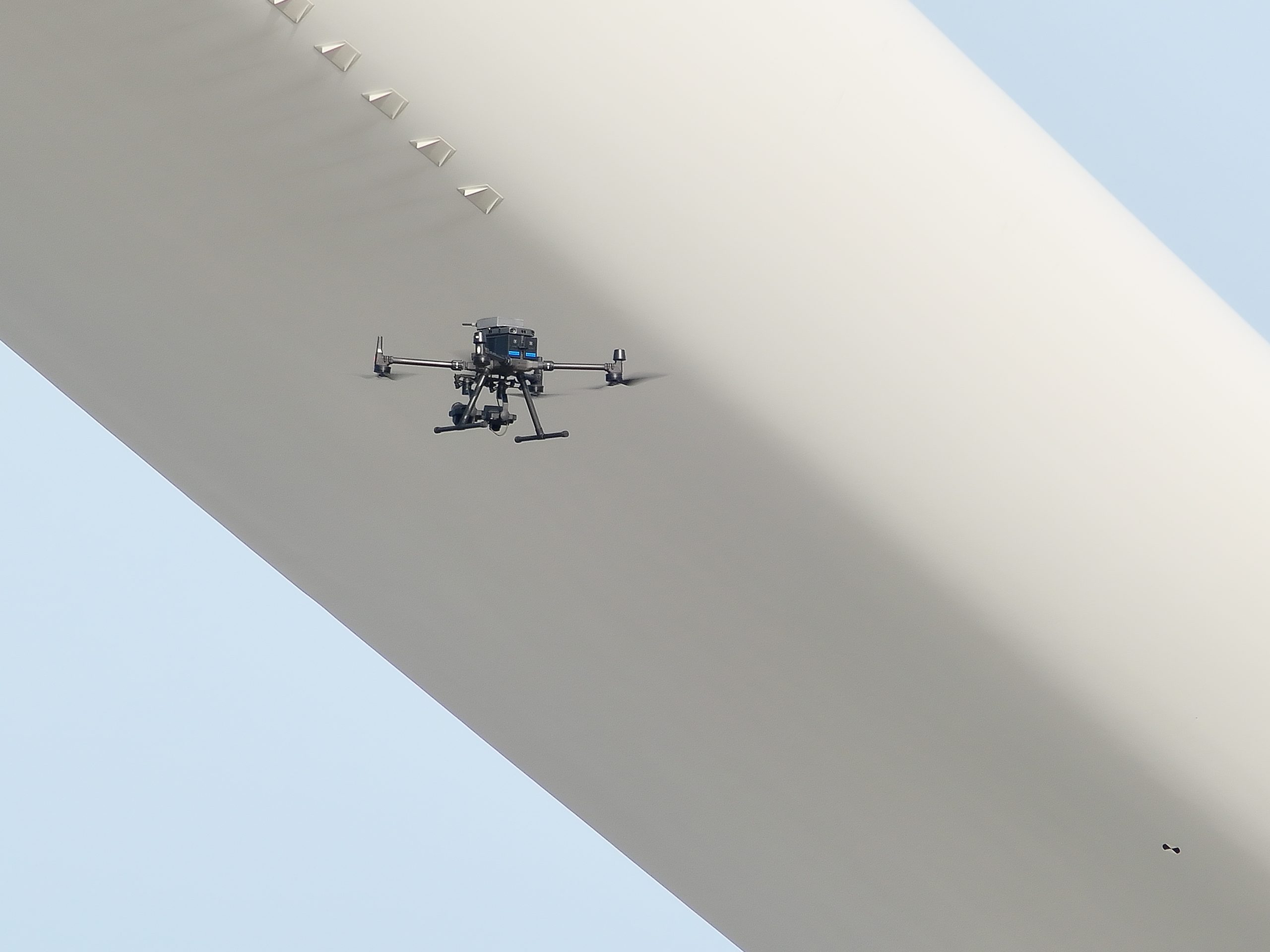
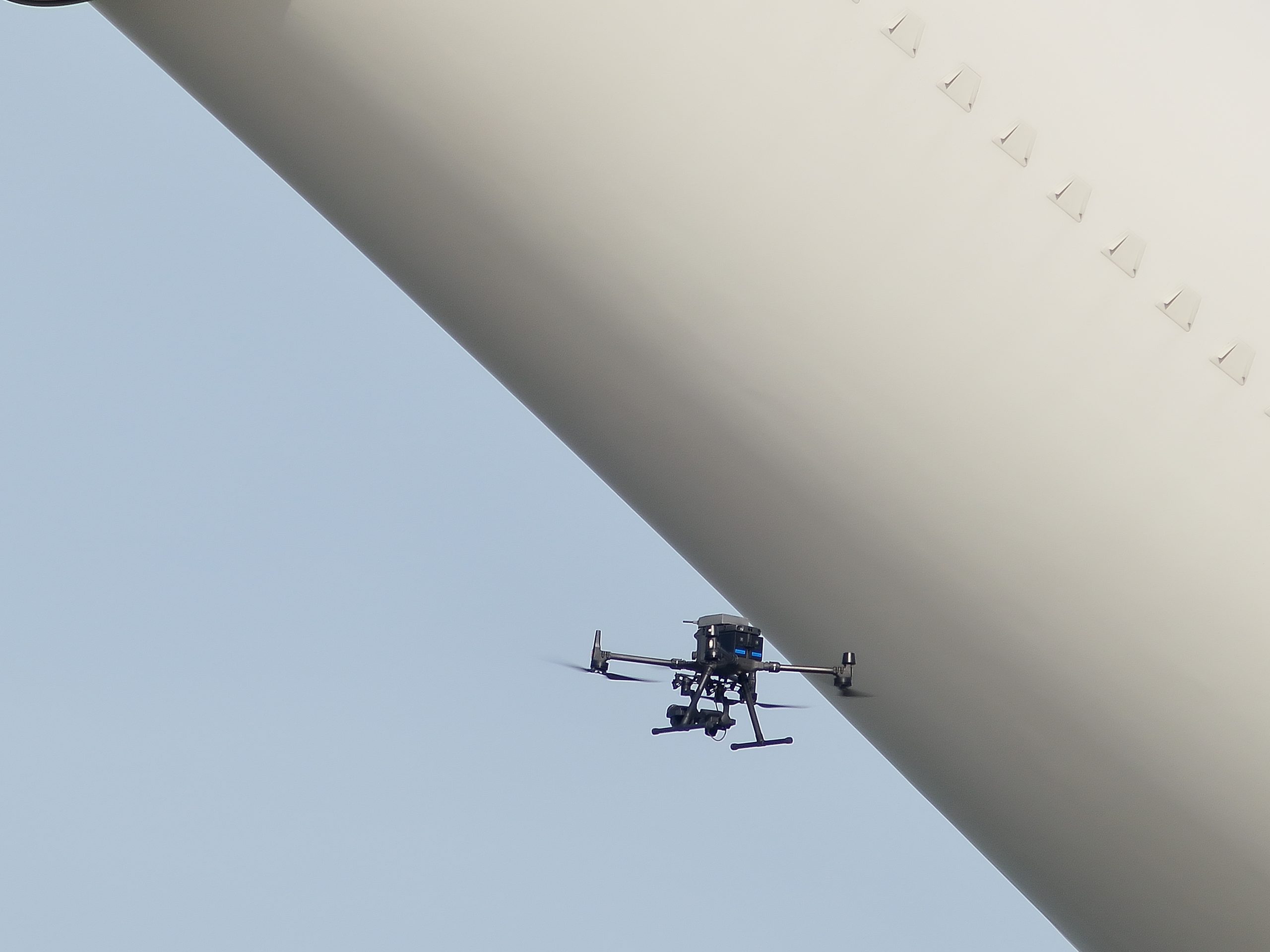
LiDAR-guided flights capture every face of every blade. You get each defect located, sized and classified, ready to plan repairs.
±40 min
Downtime per turbine
17,000+
Blades inspected
95%
Automated flight paths
203
Turbine types in our database
Why inspect
Small damage does not stay small
Leading edge erosion, cracks, delamination and lightning damage start small. Left alone, they grow with every season and cost you production, longer repairs and higher bills.
We photograph all four sides of every blade, from root to tip. Each finding is located by blade, side and distance from the root, sized and placed in one of five severity classes. Classes 3 to 5 need action in the short term, so you know exactly where to start and can plan repairs in your own maintenance window.
Easy to plan, short to run
One rotor stop of about 40 minutes, blade and LPS together. No service team needed on site.
A report with clear priorities
Every defect located, sized and placed in one of five severity classes.
Same flight every year
LiDAR holds the distance and the geometry is stored, so images line up year on year.
Our process
How we work
From the first scan to the final report, you deal with one crew and one way of working.
Step 1
Quick scan
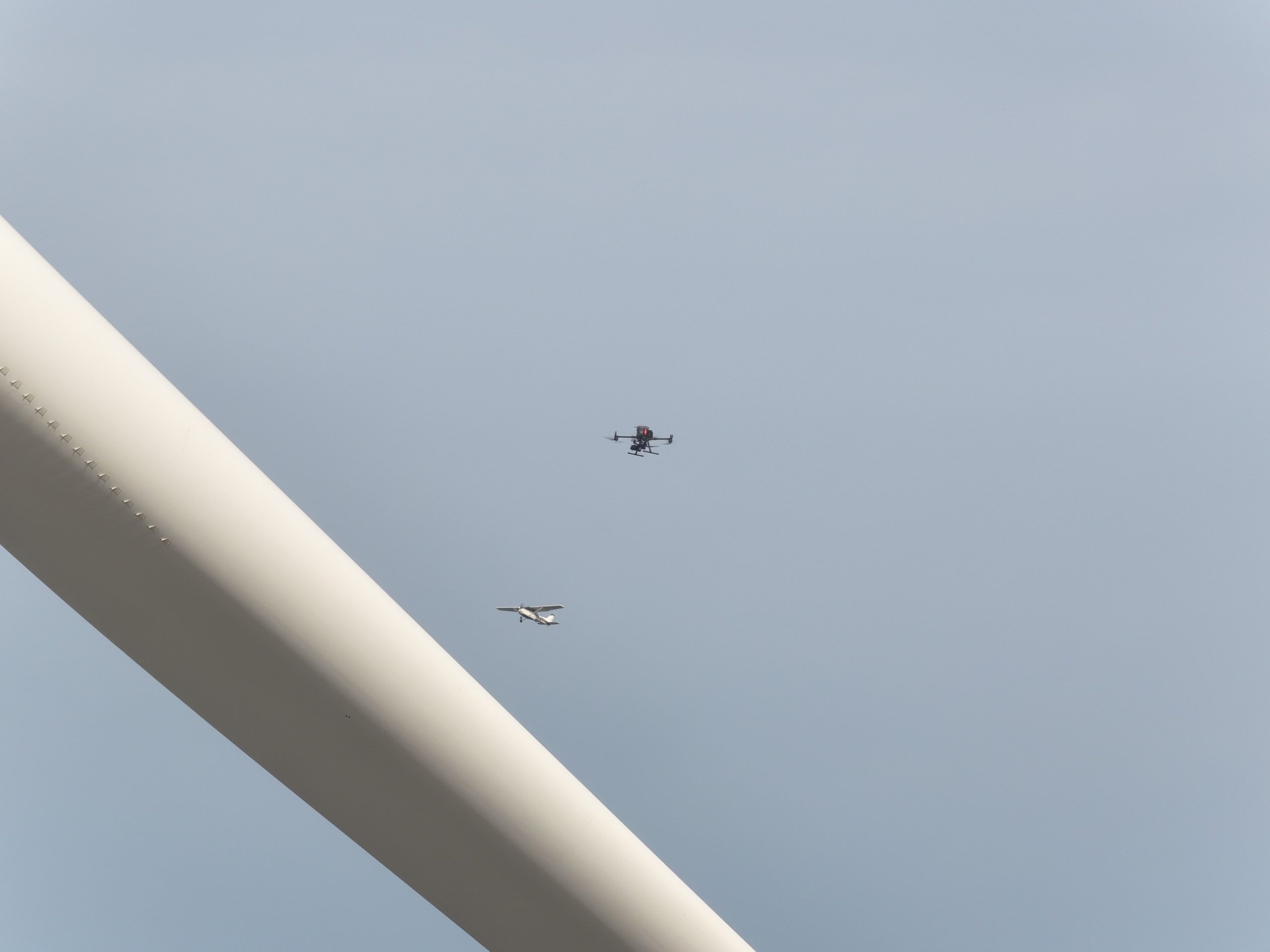
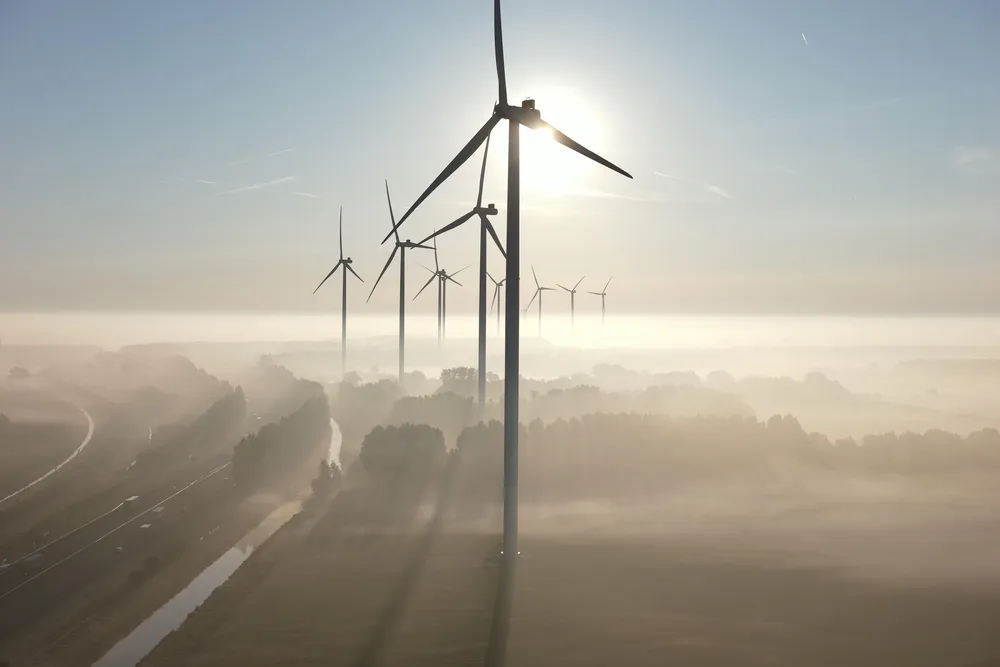
We check the park, the surrounding airspace and the risks before a date is agreed. You get a go or no-go up front, not a surprise on the day.
Step 2
Automated flight
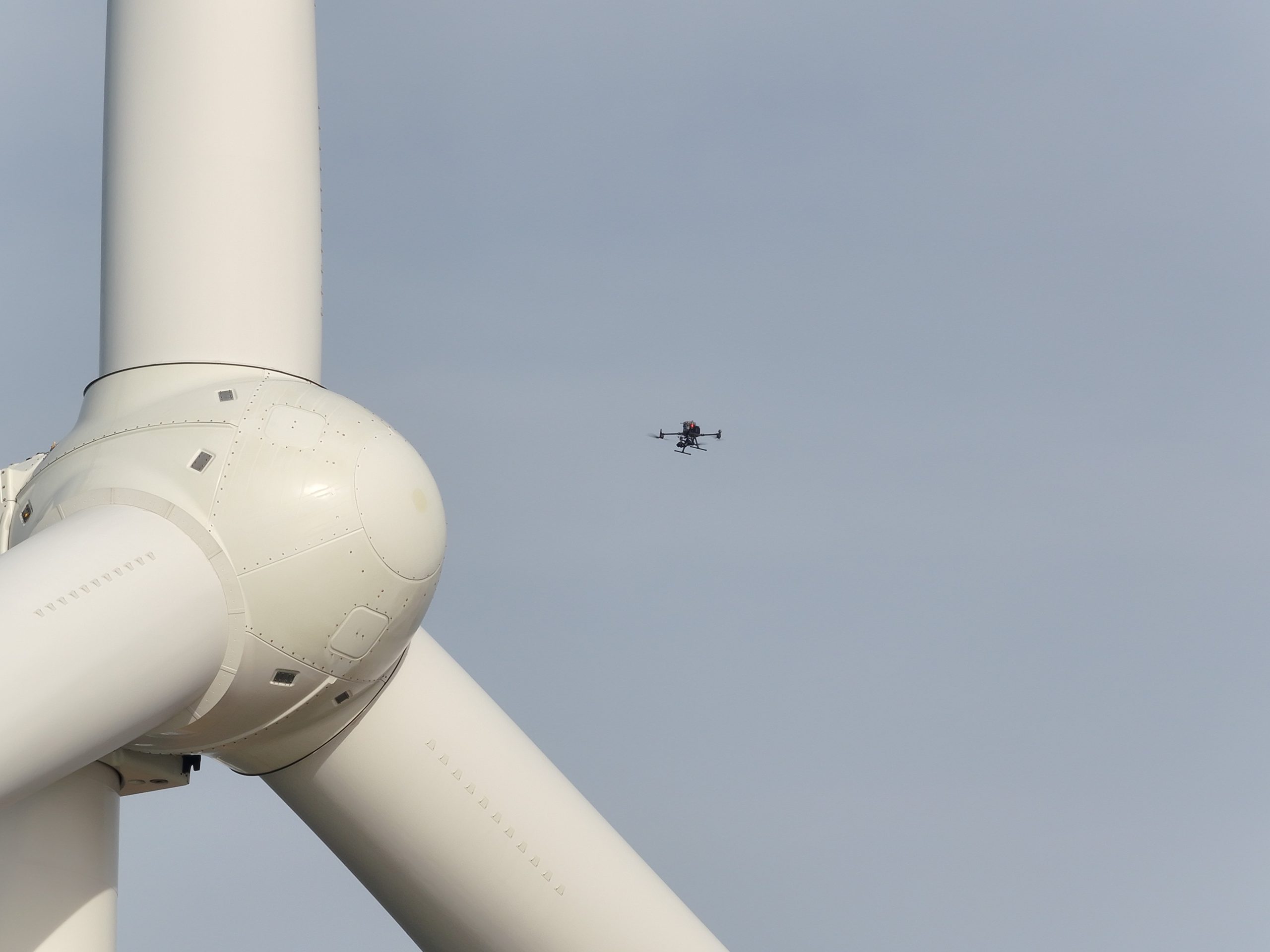
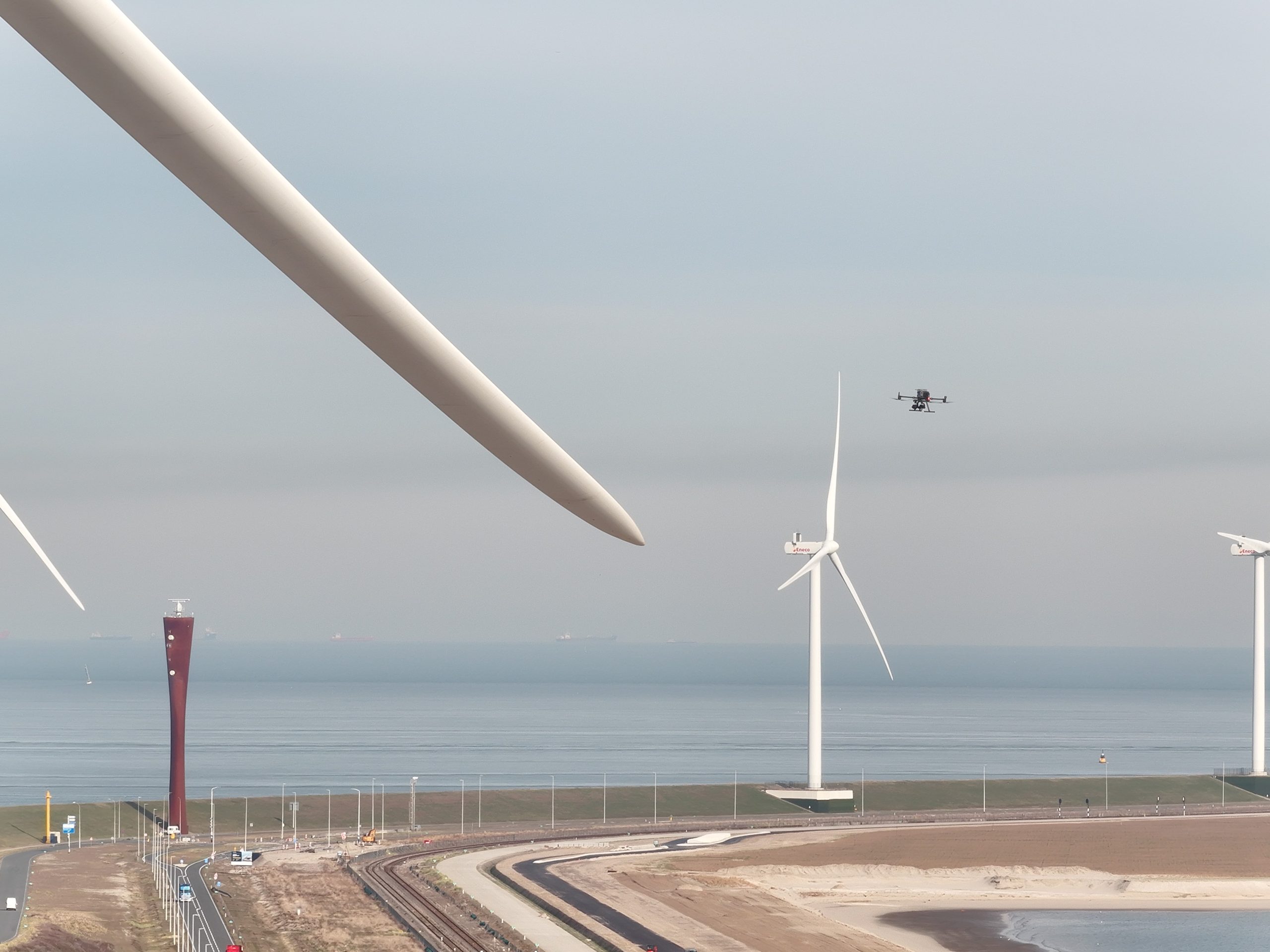
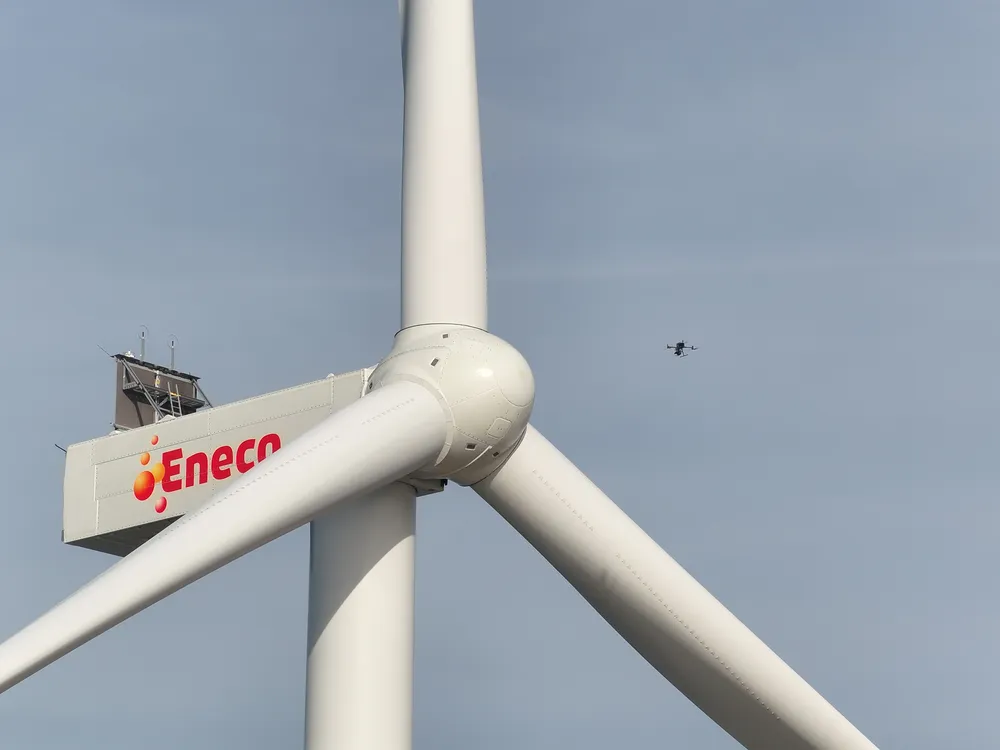
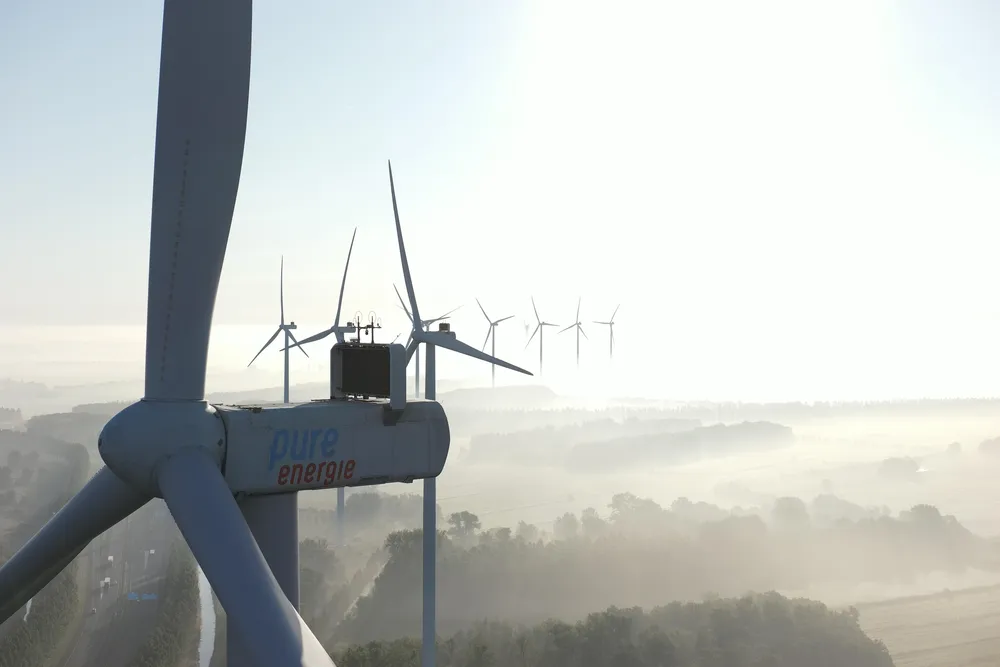
The rotor is stopped once and both inspections are flown in the same window, around 40 minutes per turbine. LiDAR recognises the blade, holds the distance and logs the exact position of every frame.
Step 3
Report
Every defect located, sized and placed in one of five severity classes. You view the photos and findings in your own online portal and plan repairs on facts.
Want to combine it with an LPS inspection? We do both in one rotor stop.
Questions
Frequently asked
Leading edge erosion, cracks, delamination, lightning damage and coating defects, on all four sides of every blade. Each finding gets a position, a size and a severity class from 1 to 5.
We advise once a year. Because we fly the same route every time, you see exactly how damage develops and can act before it gets expensive. Many insurers also ask for regular inspections, so check what your policy requires.
No. Our crew is trained to stop and operate turbines from Vestas, Enercon, GE and Nordex. We only need your approval and access to the park.
A report per turbine with all findings, photos and severity classes, plus access to our online portal. There you browse the photos, filter findings and compare inspections over the years. All data is yours.
Get started
Plan your blade inspection
Tell us the park, the number of turbines and the turbine type. Want to combine it with an LPS measurement? We do both in the same rotor stop.